Engineering a precision cast heating platen is a critical requirement for semiconductor wafer processing and sensitive medical diagnostic equipment, where maintaining a uniform temperature heating plate is non-negotiable. Achieving micron-level flatness and a strict ±1°C surface temperature variance requires advanced metallurgical casting, multi-zone element routing, and strategic thermocouple placement.
Hongtai Industry Heater provides specialized semiconductor cast in heater solutions designed with precision CNC machining and multi-loop control to eliminate thermal gradients, ensuring absolute process repeatability for the most demanding high-tech manufacturing environments.
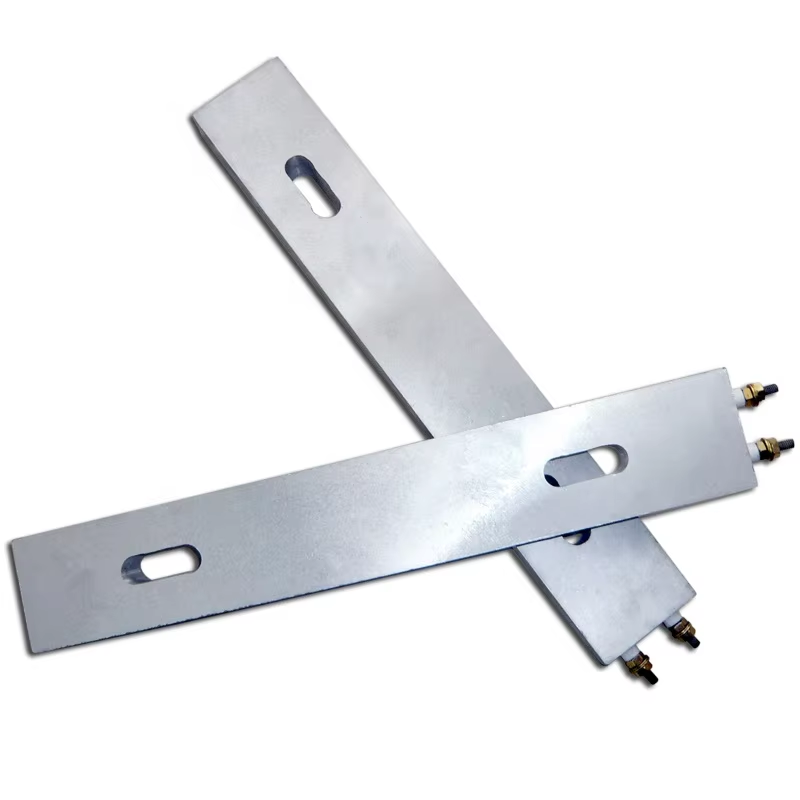
1. Multi-Zone (Multi-Circuit) Internal Element Routing
In high-precision applications like wafer baking or DNA amplification, standard single-circuit heaters fail because they cannot compensate for edge heat loss. The outer perimeter of the platen dissipates heat into the ambient environment faster than the center, causing severe temperature gradients across the surface.
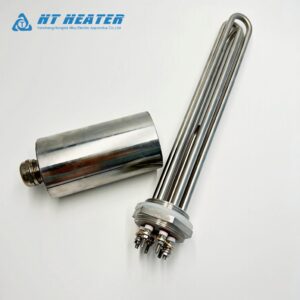
To solve this, Hongtai Industry Heater utilizes a Multi-Zone tubular heater layout within the precision cast heating platen:
- Center Zone: Operates at a baseline wattage density to maintain the core target temperature.
- Perimeter/Edge Zone: Engineered with a higher wattage density (or controlled by a completely independent electrical circuit) to actively compensate for peripheral convective heat loss.
By dividing the platen into two or more independently controlled heating circuits, equipment engineers can dynamically adjust the power input to different regions, maintaining a perfectly flat thermal profile across the entire working surface.
When evaluating a precision cast heating platen, process engineers calculate the specific wattage required to overcome edge heat loss using convective boundary conditions:
Qedge = h · Aedge · (Tsurface − Tambient)
Where :
Qedge is the heat loss rate
h is the convective heat transfer coefficient
Aedge is the perimeter surface area
T is temperature.
2. Strategic Thermocouple Embedding and Back-Exit Design
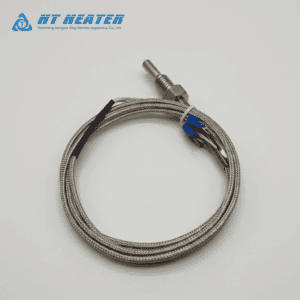
Precise thermal control relies entirely on the accuracy and positioning of the temperature sensors. In a uniform temperature heating plate, the thermocouple must be embedded as close to the active working surface as possible without breaching the vacuum or cleanroom seals.
The Back-Exit Thermocouple Standard
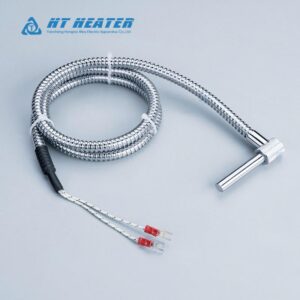
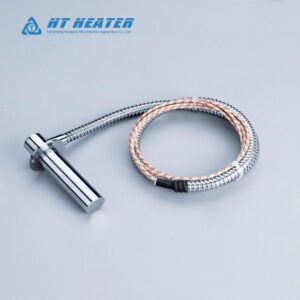
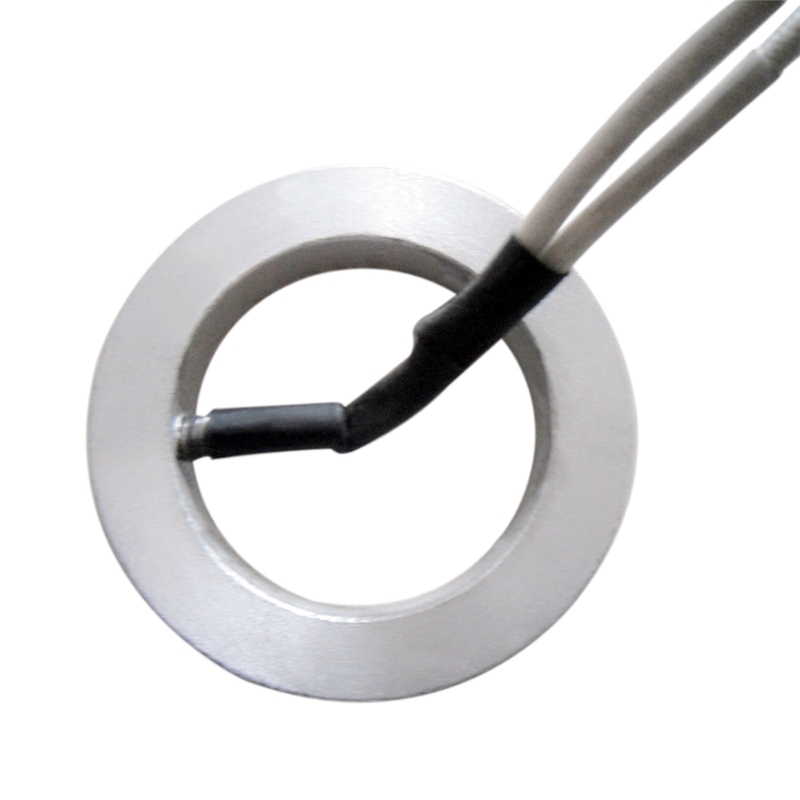
In complex semiconductor and medical assemblies, side-exiting thermocouples often interfere with lateral robotic handling arms, vacuum chamber walls, or adjacent cooling channels. To eliminate mechanical interference and ensure optimal cable management, Hongtai Industry Heater designs every precision cast heating platen with the product thermocouples exiting directly from the back (bottom) of the platen, rather than the side.
This back-exit configuration allows for deeper, perpendicular sensor plunging into the cast matrix—placing the sensing junction exactly between the multi-zone heating elements and the top working face to capture instantaneous thermal feedback and prevent temperature overshoots.
3. Micron-Level Surface Flatness & CNC Machining
Thermal uniformity is intrinsically linked to physical surface contact. If a silicon wafer or a medical glass slide rests on a platen with microscopic warping, localized air gaps will form, acting as thermal insulators and destroying the ±1°C tolerance.
After the high-density aluminum or bronze is cast and stress-relieved via annealing, the semiconductor cast in heater undergoes rigorous multi-axis CNC surface milling and precision lapping.
- Flatness Tolerance: Machined to within 0.01 mm to 0.02 mm across the entire platen diameter.
- Surface Roughness (Ra): Honed to Ra ≤ 0.4 µm to guarantee seamless, void-free contact with the target substrate.
4. Precision Platen Performance Matrix
| Design Specification | Standard Industrial Platen | Precision Multi-Zone Platen | Hongtai Engineering Standard |
| Surface Temp Uniformity | ± 5°C to ± 10°C | ≤ ± 1°C | 100% Infrared Thermal Validated |
| Element Routing | Single Circuit | Multi-Zone (Independent loops) | Custom CAD thermal flow modeled |
| Thermocouple Position | Side-exit, shallow depth | Back-exit, deep surface plunge | Zero mechanical interference |
| Surface Flatness | > 0.1 mm | < 0.02 mm (Micron-level) | CNC Ground and Lapped |
For global compliance guidelines regarding medical and semiconductor equipment safety, consult UL Electrical Safety Standards and CE Marking Compliance. Material property specifications can be referenced via MatWeb Material Property Data.
Industrial Heating Solutions from Hongtai Industry Heater
The design methodologies detailed above address the strict thermal uniformity, flatness, and sensor integration requirements for high-tech manufacturing. Hongtai Industry Heater collaborates directly with semiconductor equipment designers and medical device R&D directors to supply custom-engineered precision cast heating platen systems that meet exacting ±1°C tolerances.
If you require advanced multi-zone semiconductor cast in heater designs or specialized CNC-machined thermal plates for your next-generation equipment,contact Hongtai Industry Heater’s engineering department directly for a comprehensive technical review and custom thermal design solution.
B2B Related Technical Resources
- Surface Optimization: Cast in Heater Surface Machining: Minimizing Thermal Contact Resistance
- Quality & Safety Testing: Quality Control Standards for Cast-in Heaters: Hi-Pot, Insulation, and X-Ray Inspection
- Mounting Solutions:Clamping and Mounting Systems for Cast-in Heaters: Spring Loading vs. Bolt-On Design
- Maintenance Protocols: Cast-in Heater Maintenance Guide: Surface Cleaning and Thermal Compound Application