
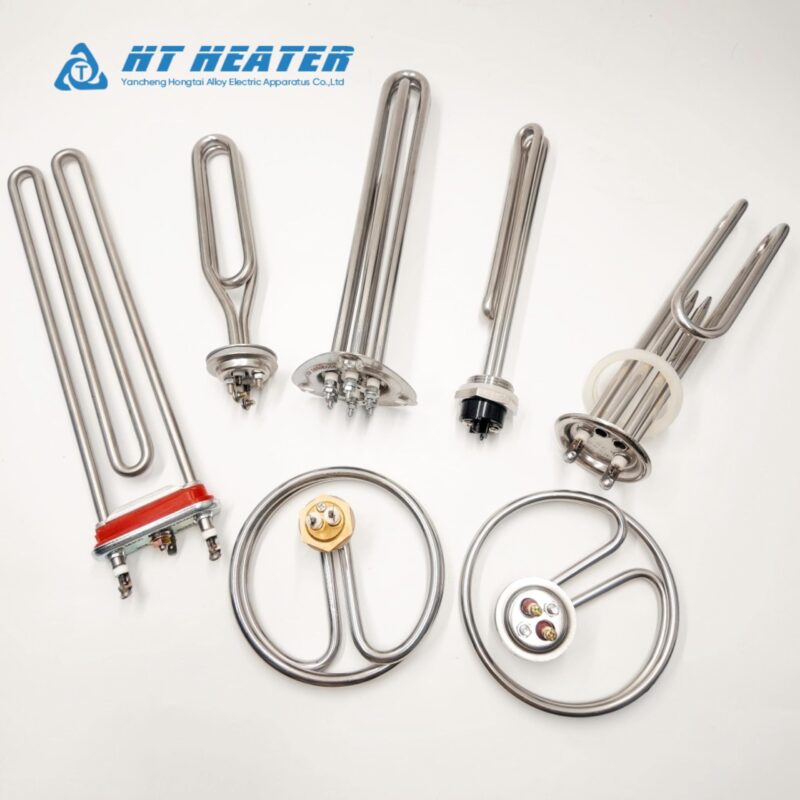
When evaluating flanged vs. screw plug immersion heaters, sizing the right thermal system requires far more than calculating total kilowatt demand. For piping engineers, vessel designers, and plant operations teams, the mounting interface—whether a threaded screw plug or a bolted pipe flange—serves as the primary pressure boundary and the first line of defense against process […]
Read More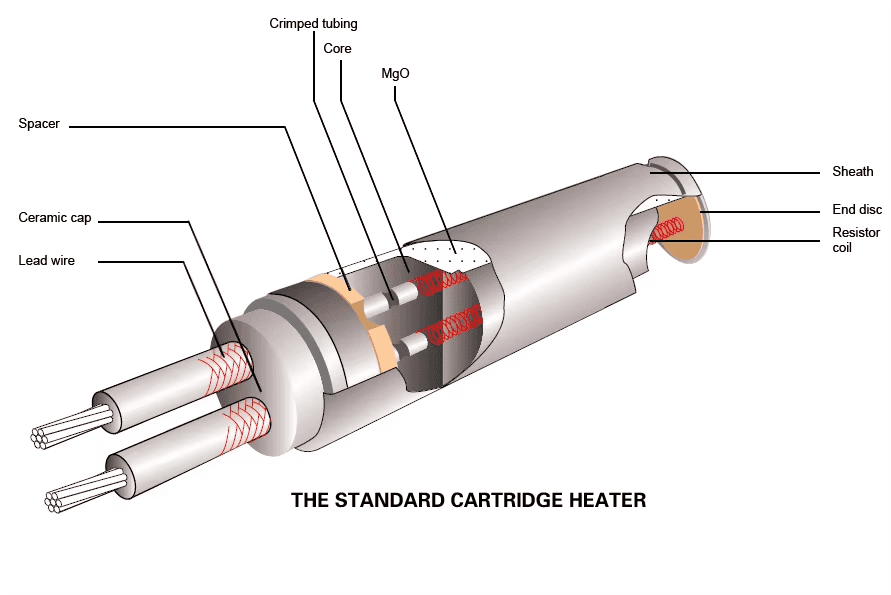
Tubular Heater Construction: MgO, NiCr & Sheath Design
For quality control engineers and OEM equipment designers, evaluating an industrial heating element requires looking far beyond its outer metal sheath. The operational lifespan, thermal efficiency, and dielectric strength of a heater are governed entirely by its internal tubular heater construction and the precision of the manufacturing process. A heater that burns out prematurely or […]
Read More
Tubular Heater Terminal Seals: Moisture Ingress, Low IR & Selection Guide
For electrical maintenance managers and industrial oven designers, one of the most frustrating field failures is a heating element that trips the GFCI or RCD immediately upon startup. The root cause is rarely a broken internal resistance wire; instead, it is often related to moisture ingress through the tubular heater terminal seals. At Hongtai heater […]
Read More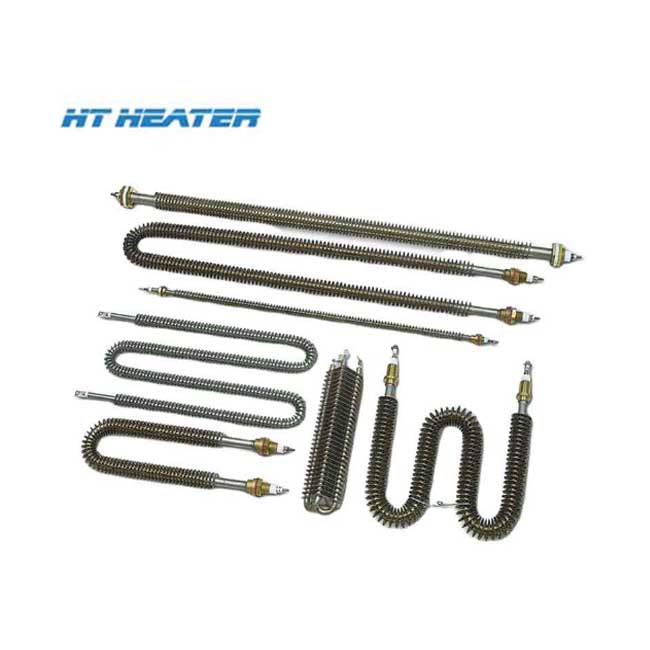
Finned Tubular Heaters: Engineering Sizing & Selection Guide
Heating air in HVAC ducts, industrial ovens, and load-aging chambers presents a fundamental thermodynamic challenge: air has a low thermal mass and acts as an insulator. To transfer heat efficiently without burning out the element, surface area must be maximized. A finned tubular heater solves this by permanently attaching continuous spiral or square metal fins […]
Read More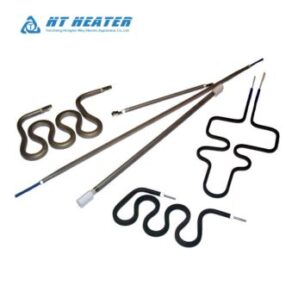
Flexible Tubular Heaters: Hand-Formable Solutions for Hot Runner Manifolds
Heating a complex hot runner manifold presents a unique thermodynmic and mechanical challenge for mold design directors. Traditional rigid tubular heaters must be factory-bent via CNC to perfectly match 3D milled grooves, leaving zero margin for dimensional error. Alternatively, cast-in brass heater plates offer excellent thermal uniformity but suffer from extreme replacement costs and weeks […]
Read More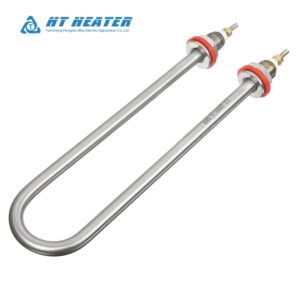
Bending Tubular Heaters: Minimum Bend Radius, U-Shape Design & Cold Zones
Tubular heaters are highly versatile elements that can be factory-formed into complex, custom shapes to fit precise equipment boundaries. However, bending tubular heaters requires strict adherence to mechanical and electrical engineering constraints. The allowable bend radius depends heavily on the tube diameter, sheath material, and forming process. Furthermore, field bending is not equivalent to factory […]
Read More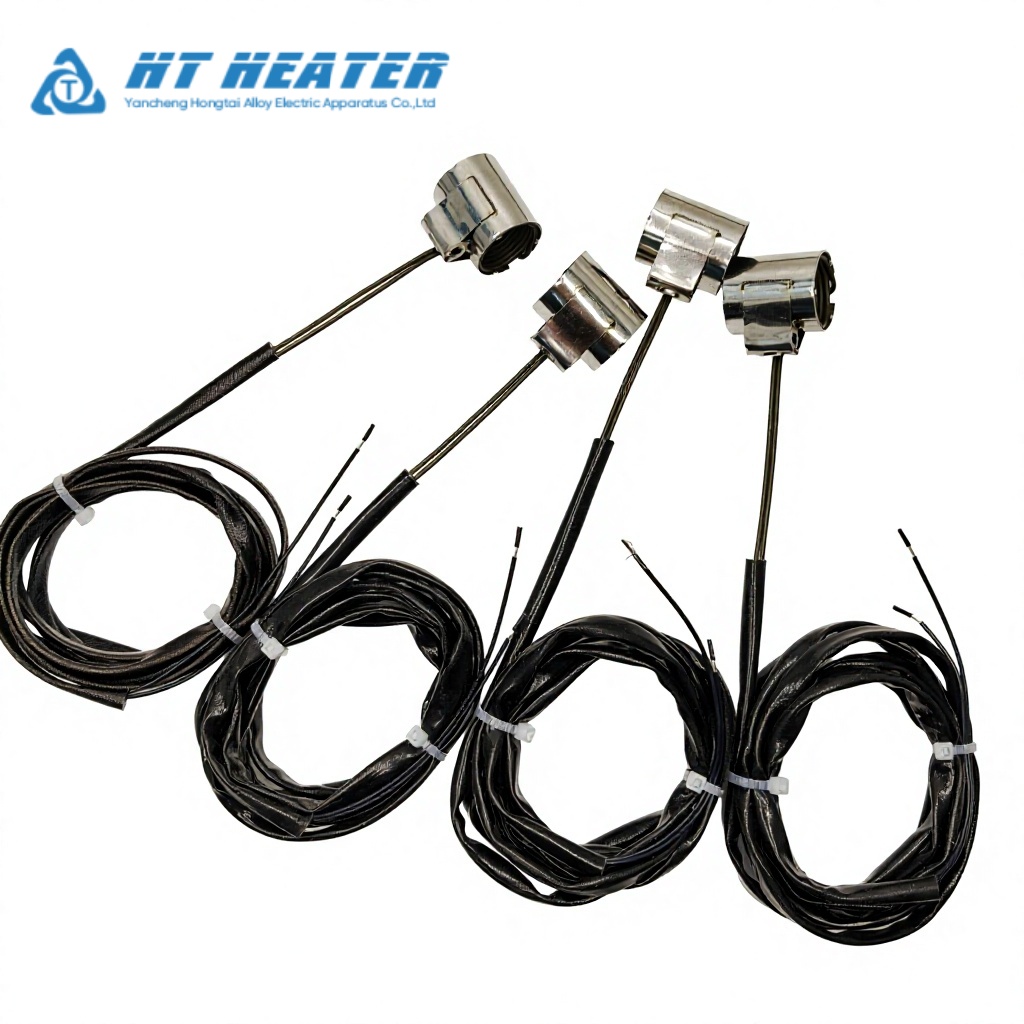
Hot Runner Coil Heater Power and Watt Density: Sizing Guide
Precise nozzle temperature control in plastic injection molding requires translating the physical thermal mass of your tooling into a precise electrical specification. An accurate hot runner heater power sizing process bridges the gap between calculating the raw energy required to heat the steel and determining if that energy can be safely concentrated into the available […]
Read More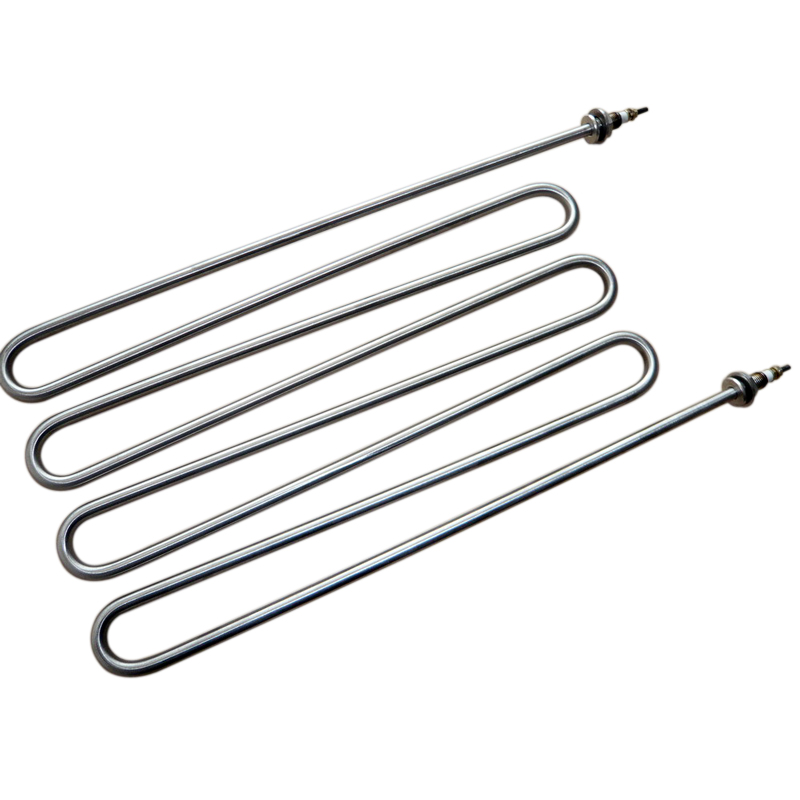
Tubular Heater Watt Density: Sizing Guidelines to Prevent Premature Burnout
The leading cause of premature thermal failure in OEM equipment is an inaccurate tubular heater watt density calculation. Whether you are finalizing tubular heater sizing for a liquid tank or determining the appropriate air heater watt density, calculating the correct watt density W/cm2 (or watt density W/in2) is critical. However, the allowable heater watt density […]
Read More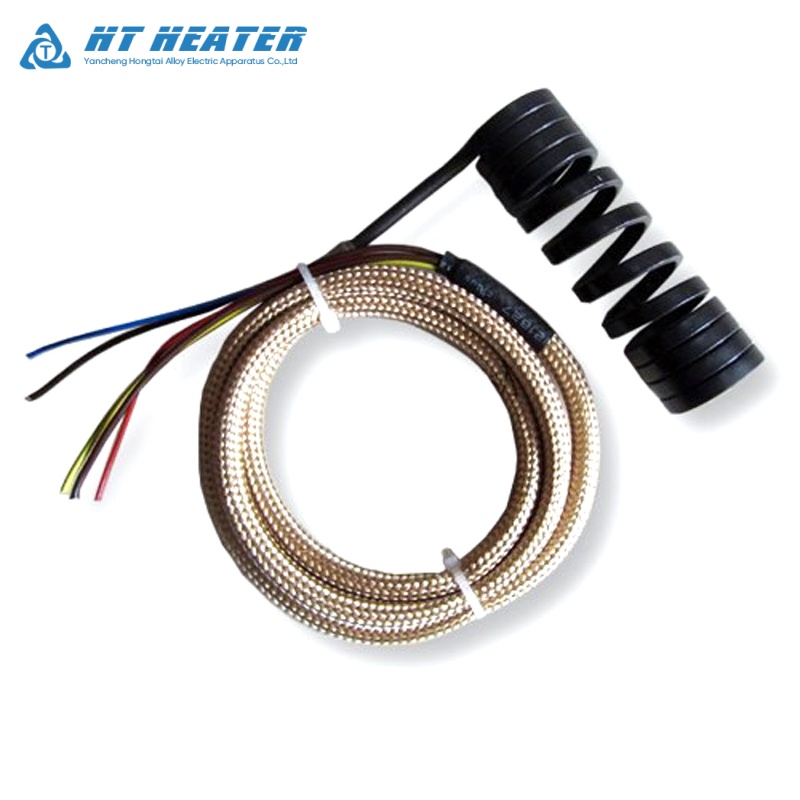
How to Specify a Custom Hot Runner Coil Heater for Injection Molds
Hot runner systems rely on high-performance heating elements to maintain precise plastic melt temperatures at the injection nozzle. However, failing to accurately specify a custom hot runner coil heater leads to poor nozzle contact, thermal lag, and premature element failure. For procurement engineers and B2B buyers sourcing an oem injection mold heater, providing a rough […]
Read More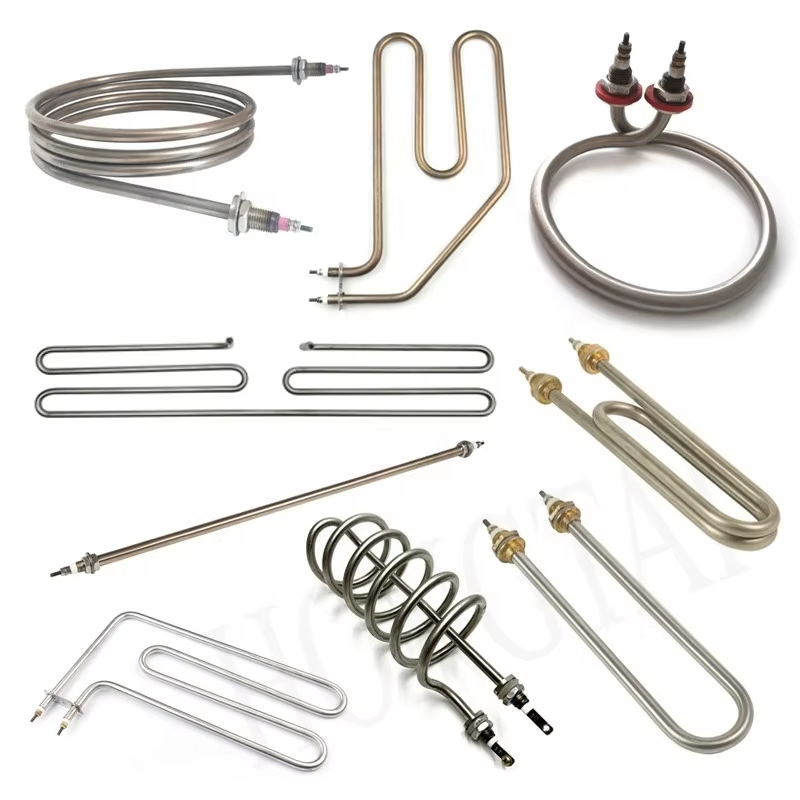
Sheath Materials for Tubular Heaters: Incoloy, Stainless Steel & Titanium
Electric tubular heaters provide versatile process heating across industrial liquid, air, and solid applications. However,Selecting the wrong tubular heater sheath material is one of the most common causes of premature heating element failure in industrial process heating.When an electric immersion or air-heating element is exposed to corrosive liquids, high-chloride water, or extreme temperatures, chemical attack […]
Read More