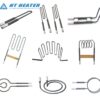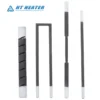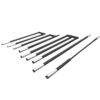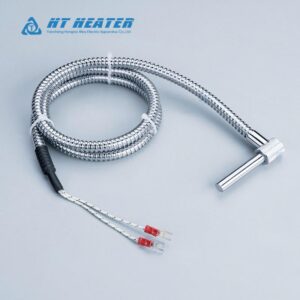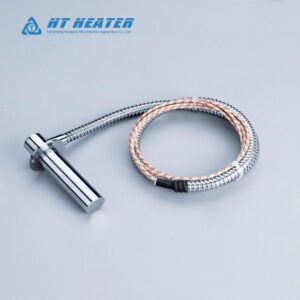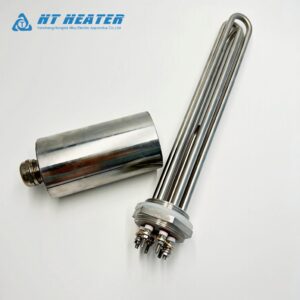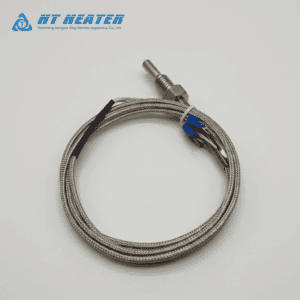
Heating a complex hot runner manifold presents a unique thermodynmic and mechanical challenge for mold design directors. Traditional rigid tubular heaters must be factory-bent via CNC to perfectly match 3D milled grooves, leaving zero margin for dimensional error. Alternatively, cast-in brass heater plates offer excellent thermal uniformity but suffer from extreme replacement costs and weeks of manufacturing downtime when a failure occurs.
The flexible tubular heater—also known as a hand formable manifold heater—was engineered specifically to bypass these manufacturing bottlenecks. By utilizing a specialized bendable outer sheath and advanced MgO compaction, this hot runner manifold heating element can be manually pressed into complex manifold grooves directly on the assembly floor.
At Hongtai heater factory, we supply high-performance flexible heaters that allow engineers to eliminate custom bending lead times, reduce inventory complexity, and rapidly restore hot runner systems to full production.
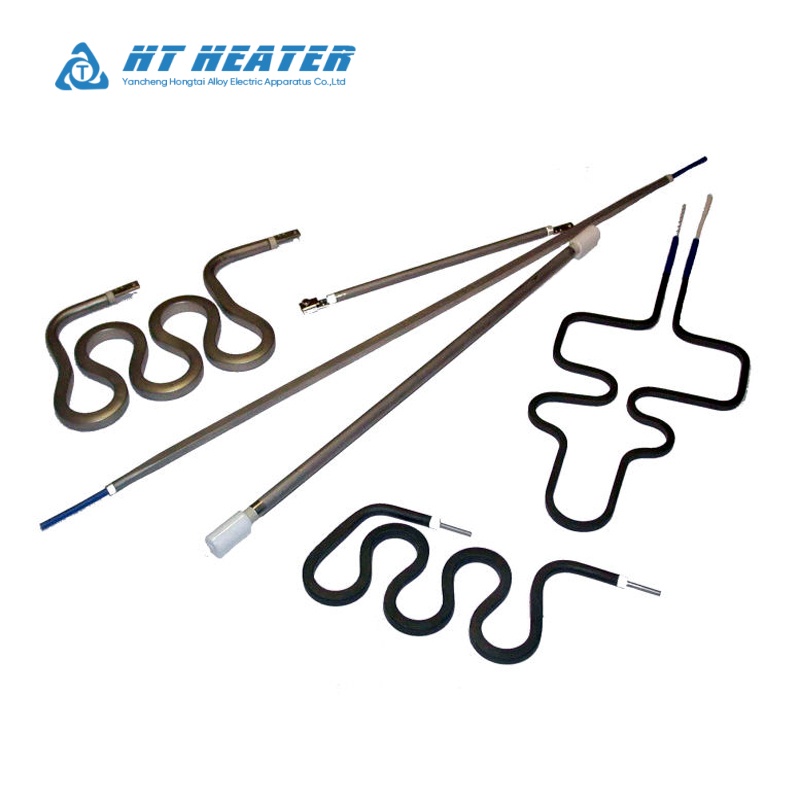
1. The Engineering Behind the Bendable Heater
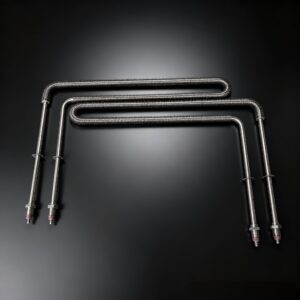
A standard rigid tubular heater requires specialized tooling to yield the metal sheath without rupturing the internal insulation. As detailed in our engineering guide on Bending Tubular Heaters: Minimum Bend Radius & U-Shape Design, violating mechanical bend radii on rigid heaters leads to immediate internal short circuits.
A flexible tubular heater fundamentally alters this construction:
- Outer Sheath: Instead of a solid, rigid stainless steel tube, flexible heaters often utilize a corrugated metal sheath, a woven nickel-steel braid, or an exclusively annealed micro-alloy tube. This allows the outer casing to stretch and compress easily.
- Dielectric Compaction: The internal Magnesium Oxide (MgO) powder is formulated and compacted to remain highly stable during manual flexing, ensuring the centered resistance wire never drifts toward the outer sheath.
- True 3D Forming: The element can be bent by hand in all three axes simultaneously, allowing it to seamlessly track the intricate, multi-level milled grooves of a hot runner manifold.
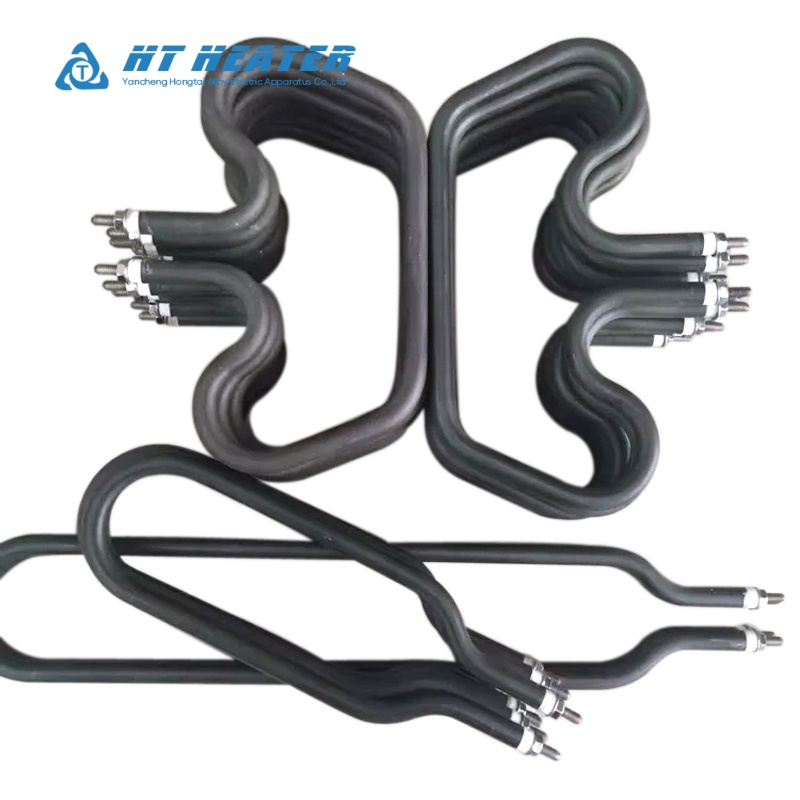
2. Overcoming Traditional Manifold Heating Pain Points
Upgrading to a hand formable manifold heater resolves the two most significant bottlenecks in injection molding maintenance and design:
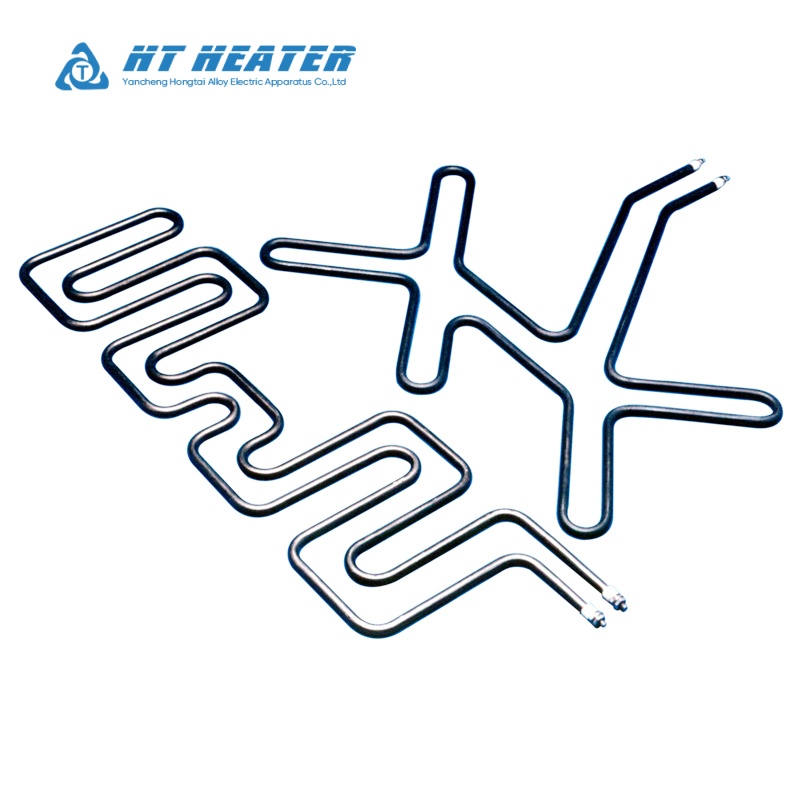
Eliminating CNC Bending Delays and Tolerances
If a rigid pre-bent heater is dimensionally off by even 2 mm due to thermal expansion variations or machining tolerances, it will not seat flush into the manifold groove. A poorly seated heater creates insulating air gaps, causing localized overheating and rapid burnout. A bendable heater adapts instantly. If the groove shifts, the technician simply applies thumb pressure to contour the heater precisely into the channel.
The Alternative to Cast-In Brass Plates
Many high-end molds use pressed-in or cast-in brass heaters to ensure perfect thermal transfer. When these fail, the entire brass assembly must be discarded and re-machined—often taking 3 to 6 weeks. Flexible heaters can be stocked in straight lengths based on total wattage requirements. When a failure occurs, maintenance teams can clear the manifold groove, hand-form a new flexible heater into place, and resume production in hours, not weeks.
3. Best Practices for Manifold Groove Installation
The thermal efficiency of a hot runner manifold heating element relies entirely on conductive heat transfer. To prevent premature failure, the installation must guarantee maximum surface contact between the heater sheath and the mold steel.
- Groove Sizing: The milled groove should be machined to the exact outer diameter (or slightly undersized by 0.1 mm for a press-fit) of the heater.
- Start from the Center: Never start pressing the heater from one end and work your way to the other. Always find the midpoint of the heater, align it with the midpoint of the manifold groove, and form outwards toward the cold ends. This prevents excess length from accumulating at the terminal exits.
- Use a Soft Mallet: Use manual thumb pressure to seat the element, followed by gentle tapping with a nylon, plastic, or hard rubber mallet. Never use a steel hammer or sharp chisel, as this will crush the outer sheath and destroy the dielectric insulation.
- Confirm the Wattage Limits: Just like nozzle heaters, manifold heaters must obey strict thermodynamic limits. Ensure your total wattage does not exceed the safe surface load limits discussed in our Hot Runner Coil Heater Power and Watt Density Sizing Guide.
4. Selecting the Optimal Cross-Section: Round vs. Square
Flexible heaters are manufactured in two primary profiles to match common manifold machining practices:
- Round Flexible Heaters (e.g., 6.5 mm, 8.0 mm, 8.5 mm OD): The most common profile. They are easier to bend in multiple directions and are installed into standard semi-circular milled grooves.
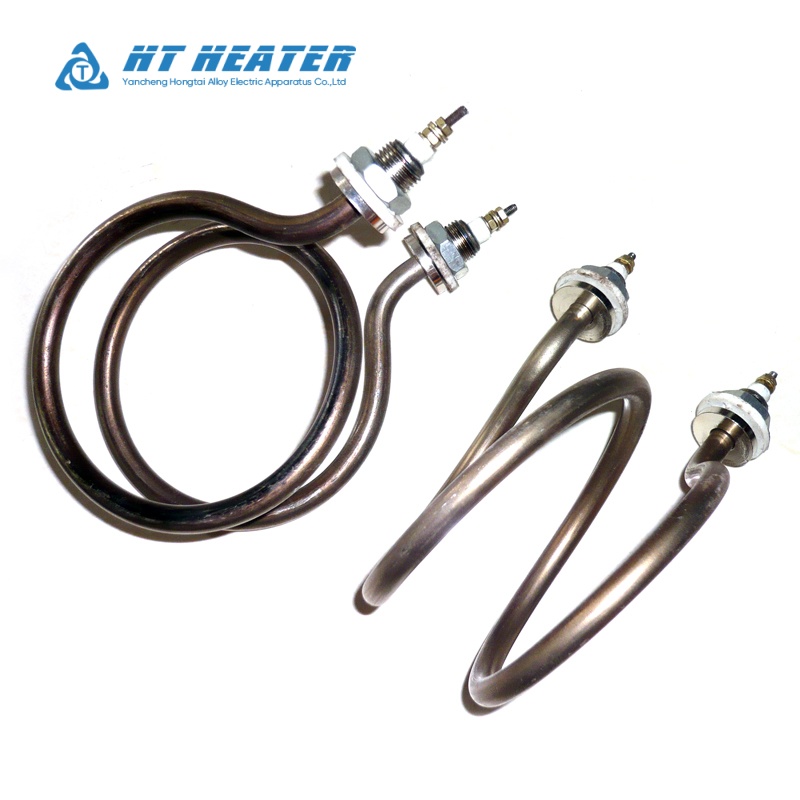
- Square Flexible Heaters (e.g., 6×6 mm, 8×8 mm): Square profiles are pressed into rectangular milled grooves. Because the flat bottom of the heater makes 100% flush contact with the flat bottom of the groove, square heaters provide superior conductive heat transfer and can safely operate at slightly higher watt densities than round profiles.
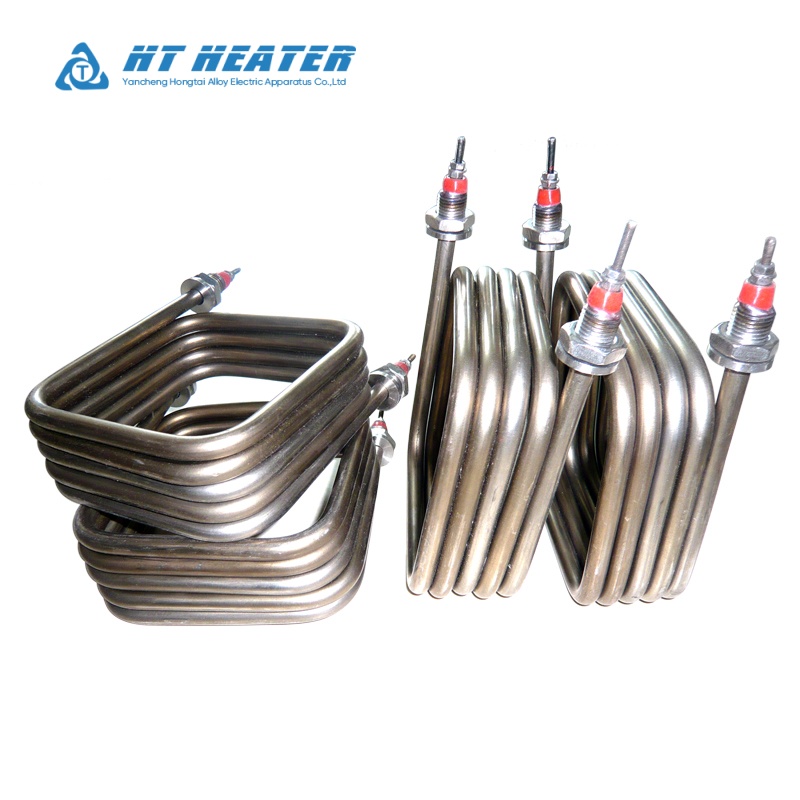
Specify Your Flexible Manifold Heater with Hongtai
To order a hand formable manifold heater, engineers do not need to provide complex 3D CAD models of the bend radii. You only need to specify the uncoiled straight parameters.
Hongtai heater factory custom-manufactures flexible tubular heaters in exact straight lengths to perfectly match your groove path. To request a quotation, simply provide:
- Total Straight Length: (Measure the exact centerline path of your manifold groove).
- Profile Dimension: (e.g., 8.0 mm Round or 8×8 mm Square).
- Electrical Specs: Voltage and Total Wattage.
- Cold Section Lengths: The required unheated lengths at the terminal ends.
Company: Hongtai heater factory
Technical Sales Consultation: Contact Hongtai Engineering Team
Contact Us Tubular Heater Experts: www.hongtai-heater.com