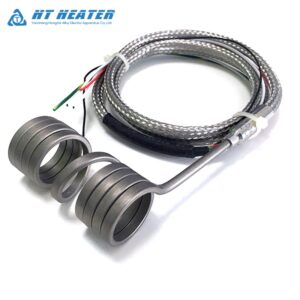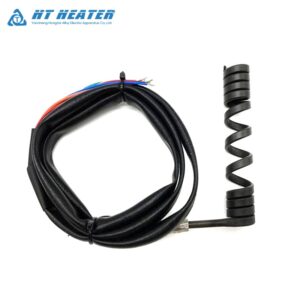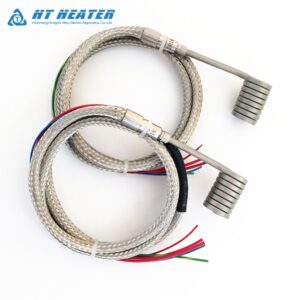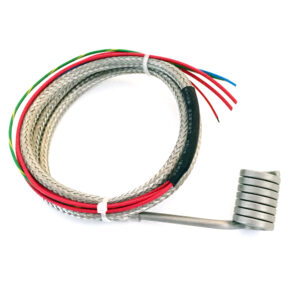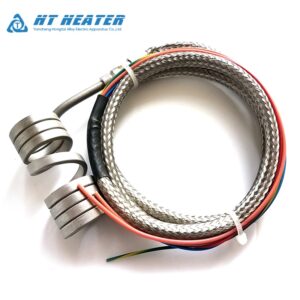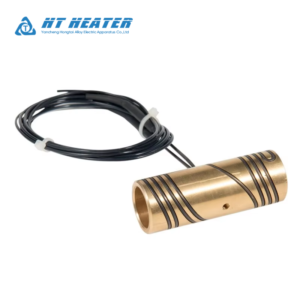
In hot runner injection molding systems, the lead exit of a heating element is its most vulnerable point. During long mold downtimes, atmospheric moisture can penetrate the insulation layer, causing immediate breaker tripping upon startup. Worse, during high-pressure injection cycles, molten plastic can seep into the heater cavity, carbonizing the internal wiring and causing a catastrophic short circuit.
For process engineers and mold maintenance teams, specifying a sealed hot runner heater is the definitive strategy to maximize mold uptime. At Hongtai heater factory, we utilize advanced high-temperature potting compounds and hermetic laser-welding techniques to engineer the ultimate moisture proof coil heater equipped with absolute plastic leakage protection.
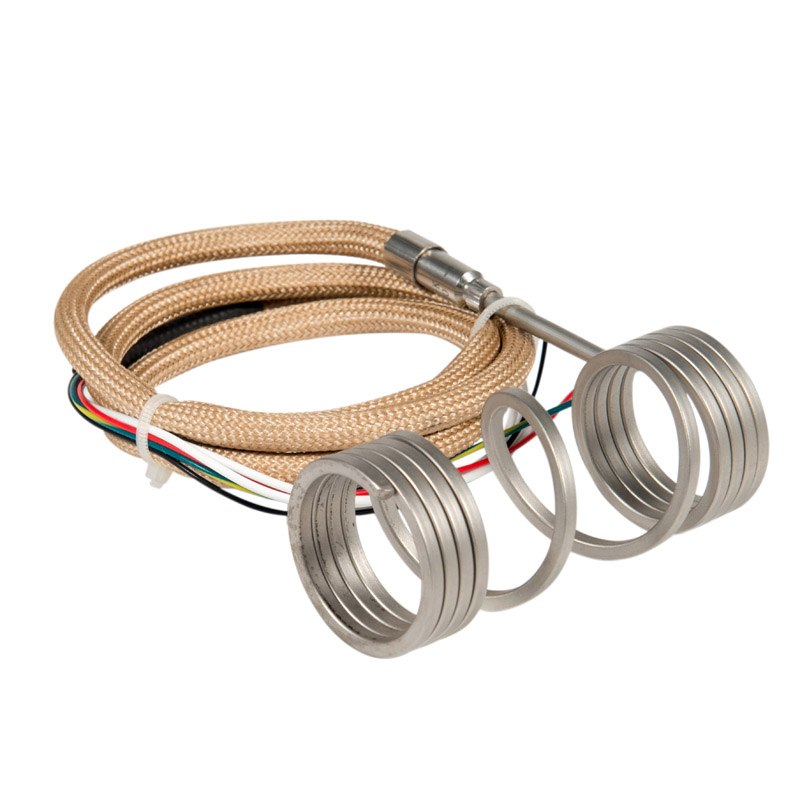
1. The Vulnerability: Why Unsealed Heaters Fail
The core of any high-performance hot runner coil heater is compacted Magnesium Oxide (MgO) powder. While MgO is a superior thermal conductor and electrical insulator, it is highly hygroscopic.
The Moisture Ingress Mechanism
If a hot runner mold sits idle in a humid factory environment or is stored in a warehouse over a weekend, the standard unsealed (or poorly sealed) heater absorbs atmospheric moisture like a sponge. When power is applied, the water content vaporizes, bridging the gap between the internal NiCr resistance wire and the grounded outer sheath. This drops the insulation resistance below safe limits, instantly tripping Ground Fault Circuit Interrupter (GFCI) breakers.
The Molten Plastic Hazard
In tight hot runner manifolds, blow-by or nozzle leaks force pressurized molten resin (such as PC, PET, or Nylon) into the heater’s lead wire transition area. If the lead exit is not structurally sealed, the plastic forces its way inside the metallic sheath. At operating temperatures exceeding 400°C, this plastic carbonizes into a highly conductive char, causing a dead short and destroying the heater. If you are actively experiencing these issues, consult our guide on troubleshooting hot runner coil heater failures.
2. Engineering a Moisture Proof Coil Heater
To combat hygroscopic degradation, Hongtai heater factory employs specialized encapsulation techniques at the transition point where the cold lead wires exit the metallic sheath.
| Sealing Technology | Temperature Rating | Moisture Resistance | Primary Application |
| High-Temp RTV Silicone | Up to 260°C (500°F) | Excellent | Standard hot runner applications, high-humidity storage. |
| Ceramic Epoxy Potting | Up to 400°C (750°F) | Moderate to Good | High-temperature nozzle heating requiring rigid mechanical protection. |
| Teflon (PTFE) Plugs | Up to 260°C (500°F) | Excellent | Cleanroom medical injection molding, preventing liquid ingress. |
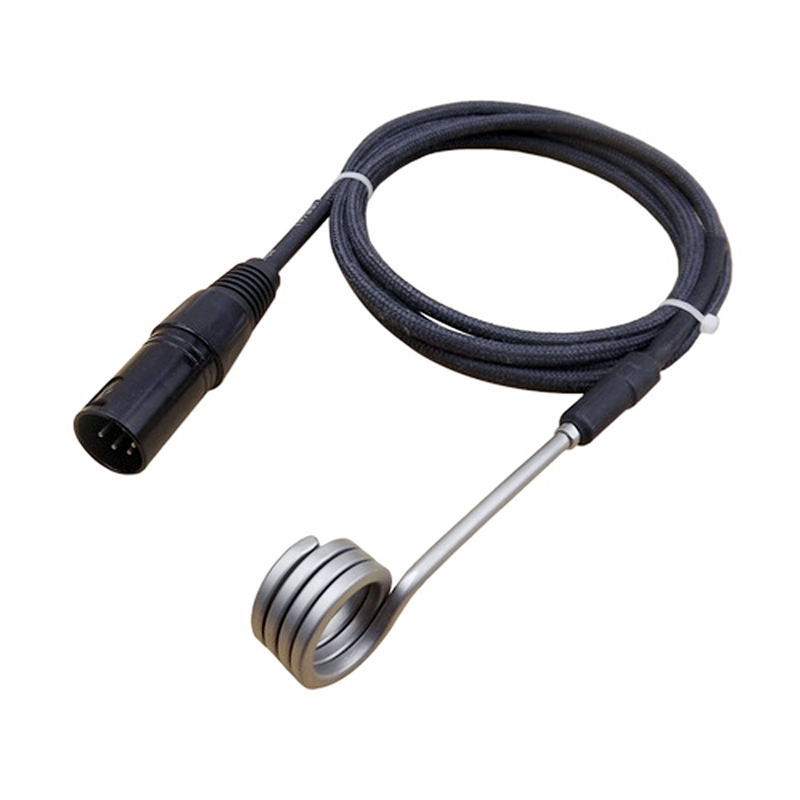
A true moisture proof coil heater eliminates the need for frustrating “soft-start” or “bake-out” procedures. Operators can power the hot runner system to full voltage immediately, confident that the cold insulation resistance will safely exceed the >500 MΩ benchmark established in our Quality Control for Coil Heaters protocols.
3. Laser Welding for Ultimate Plastic Leakage Protection
While silicone and epoxy sealants effectively block ambient moisture, they cannot withstand the high-pressure hydrostatic forces of a severe molten plastic leak. For extreme environments, mechanical barriers are required.
To achieve absolute plastic leakage protection, Hongtai heater factory utilizes precision laser-welded transition heads.
- The Process: A specialized stainless steel transition block is laser-welded directly to the end of the tubular coil heater sheath.
- Hermetic Isolation: This creates an impenetrable metallurgical bond that seals the MgO powder and electrical junctions inside a rigid metallic vault.
- The Result: Even if molten plastic completely engulfs the base of the heater during a catastrophic nozzle blowout, the resin cannot breach the electrical core. The heater survives, the plastic can be carefully melted or chipped away during maintenance, and the system can be returned to service.
4. Selecting Companion Lead Wires for Sealed Hot Runner Heaters
A highly sealed transition head is only as effective as the protective sleeving applied to its outgoing lead wires. To complement a sealed transition, the lead wires must also resist plastic adhesion and mechanical abrasion.
- Teflon (PTFE) Leads: Naturally non-stick, making it easier to peel away leaked plastic, though vulnerable to sharp edges.
- Stainless Steel Armor Cable: Provides the highest mechanical crush resistance and prevents plastic from melting through the wire jackets.
- Fiberglass vs. Braid: For a deep dive into matching wire protection to your specific mold environment, review our technical breakdown on Lead Wire Options for Coil Heaters.
To prevent compromising the seal during assembly, engineers must ensure the transition head is never subjected to extreme bending or pulling forces. Proper routing is detailed in our Installation Guide for Coil Heaters.
Upgrade Your Hot Runners with Hongtai heater factory
Frequent heater replacements due to moisture trips or plastic leakage cause unacceptable downtime in high-volume injection molding. Hongtai heater factory custom-engineers sealed hot runner heating elements using high-temperature epoxies, Teflon barriers, and hermetic laser welding to guarantee robust performance in the harshest mold environments.
Do you want to make specify sealed heating elements for your mold?
Hongtai heater factory provides comprehensive custom engineering to ensure your hot runner systems are perfectly sealed against factory humidity and molten resin leaks. By integrating hermetic laser-welded transitions and high-temperature potting, we help global OEM mold builders eliminate dielectric breakdowns, resolve GFCI breaker tripping, and minimize costly maintenance downtime.
B2B Related Technical Resources
- Nozzle Fit & Tolerance: Hongtai HT-CR Coil Heater ID Tolerance: Ensuring Perfect Nozzle Fit Without Thermal Lag
- Thermal Profile Design: Distributed Wattage Coil Heater: Optimizing Hot Runner Temperature Profiles
- Air-Gap Elimination: Hongtai Pressed-In Brass Hot Runner Heater Design: Eliminate Air Gaps & Thermal Lag in Hot Runners
- Sensor & Feedback Integration: Coil Heater with Built-in Thermocouple: Type J vs. K and Lead Exit Engineering
- Sheath Metallurgy Selection: Sheath Materials for Hot Runner Coil Heaters: Stainless Steel vs. Nickel
- Cross-Section Geometry: Hot Runner Coil Heater Cross Section: Round vs. Square vs. Rectangular
- Lead Wire & Terminal Protection: Coil Heater Lead Wires: Selection, Temperature Ratings, and Protection Options
- Installation Standard SOP: How to Install Hot Runner Coil Heaters: Mounting SOP & Preventing Heater Deformation
- Energy Efficiency Upgrades: Insulated Coil Heater Guide for Hot Runners
- Field Failure Diagnostics: Troubleshooting Hot Runner Coil Heater Failures: Element Burnout and Current Leakage