htwaimaokuaiche@gmail.com

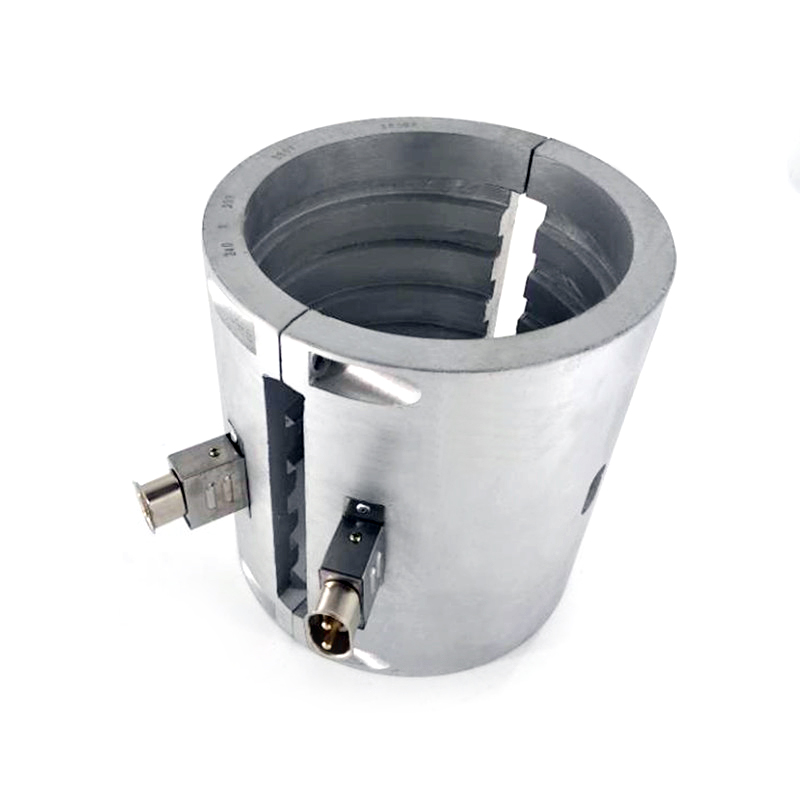
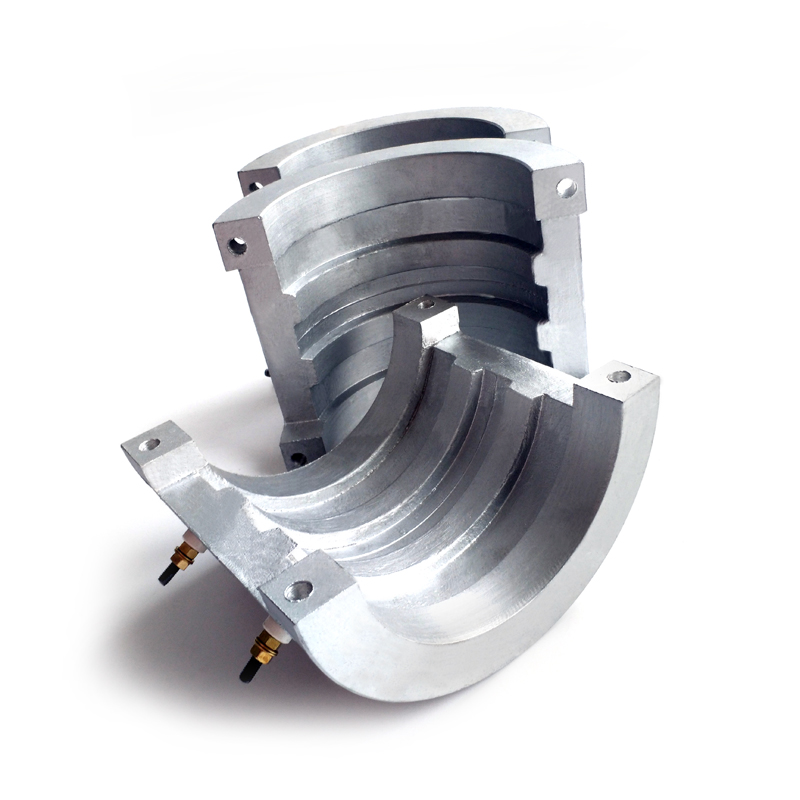
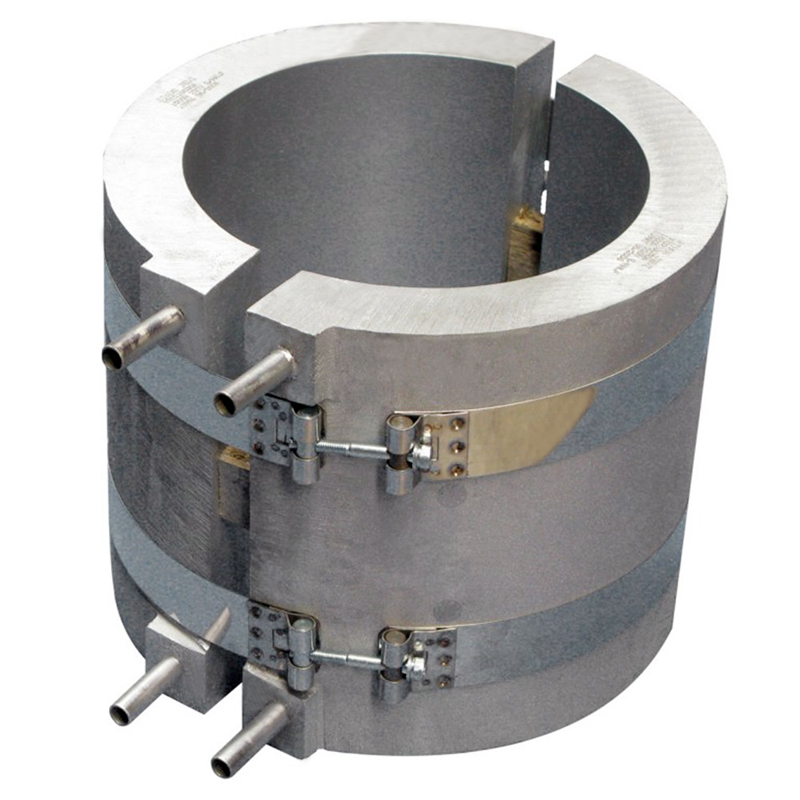
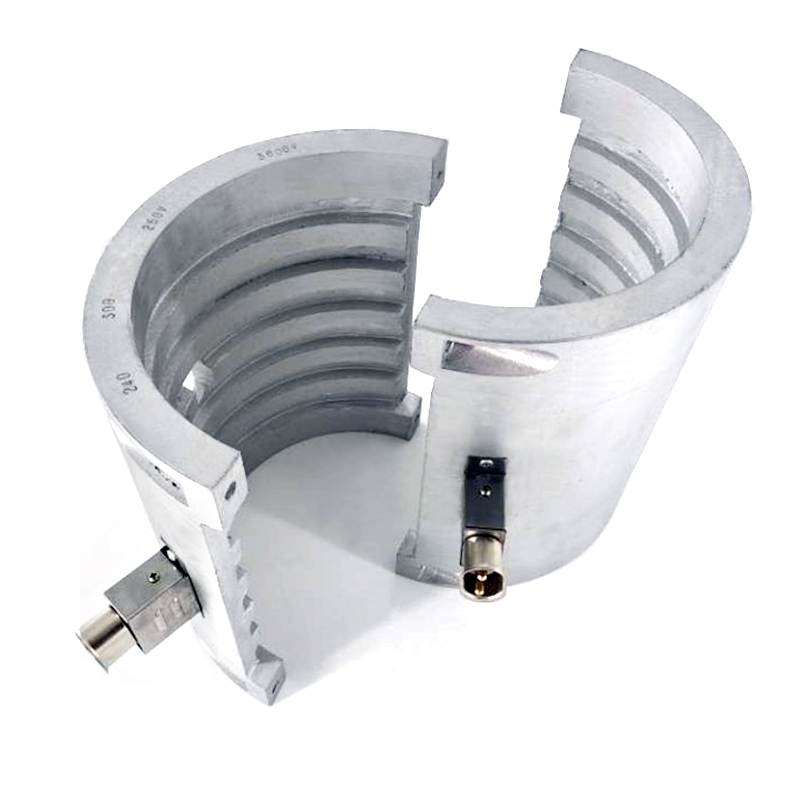
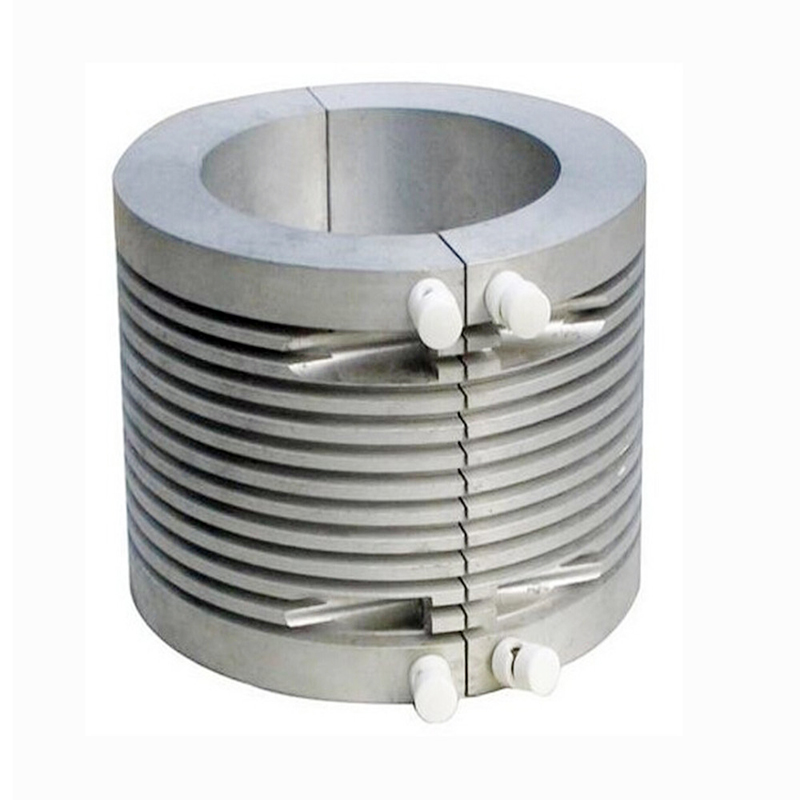
cast aluminum heater vs ceramic band heater and mica band.

Ultimate Engineering Guide: Cast Aluminum Heater vs Ceramic Band Heater and Mica Band Solutions

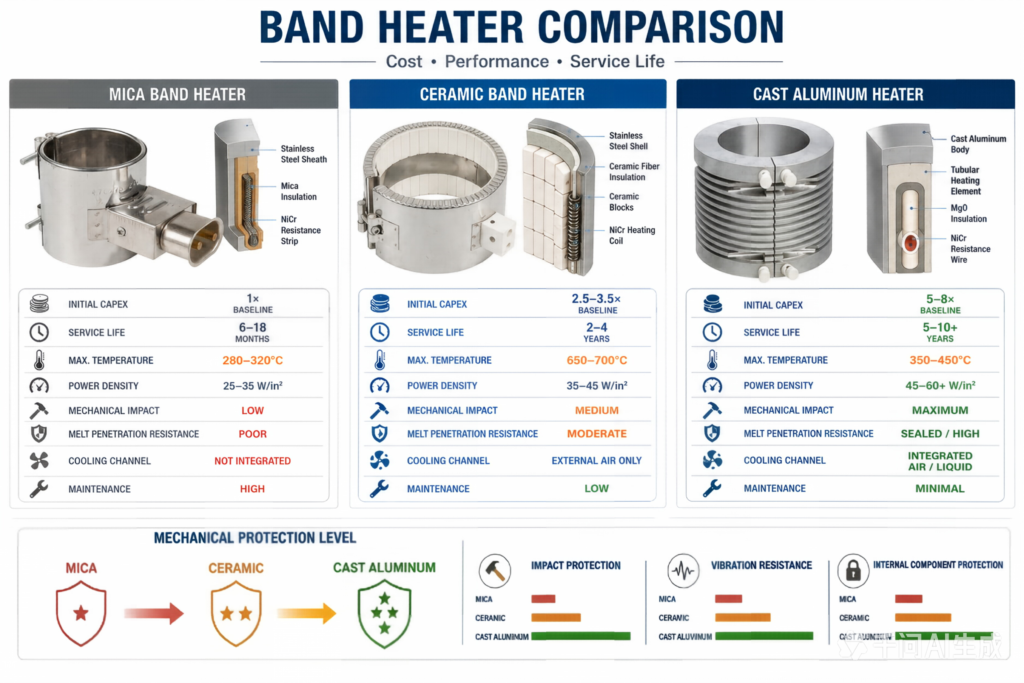
Selecting between cast aluminum heaters and ceramic band heaters directly impacts the operational lifespan, shock resistance, and Total Cost of Ownership (TCO) of your processing barrels. While mica and ceramic bands offer a lower initial CAPEX, solid cast-in aluminum elements deliver superior vibration resistance, uniform heat distribution, and protection against thermal distortion in high-stress environments. […]
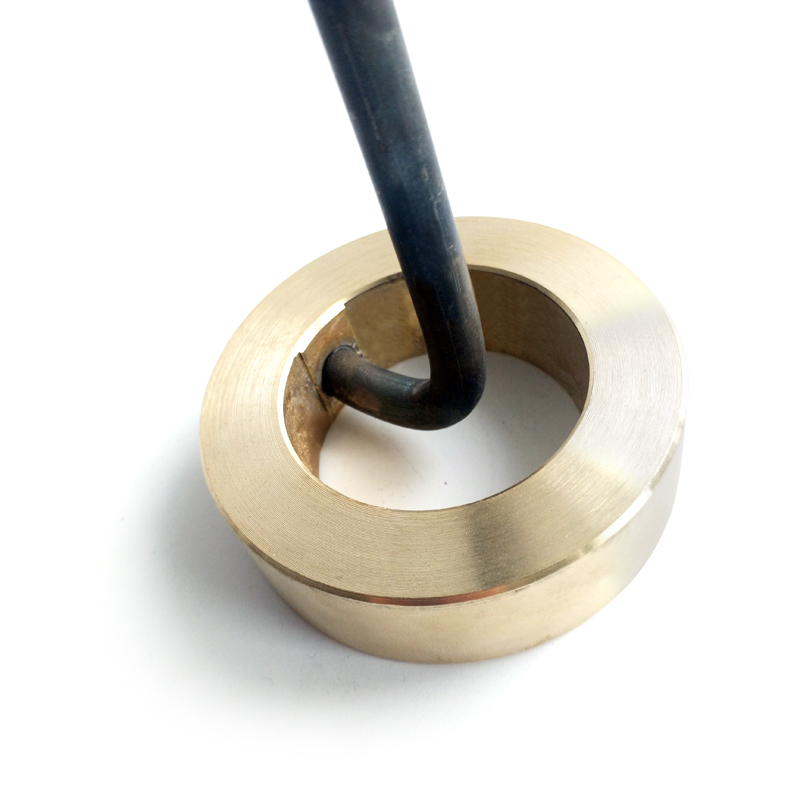
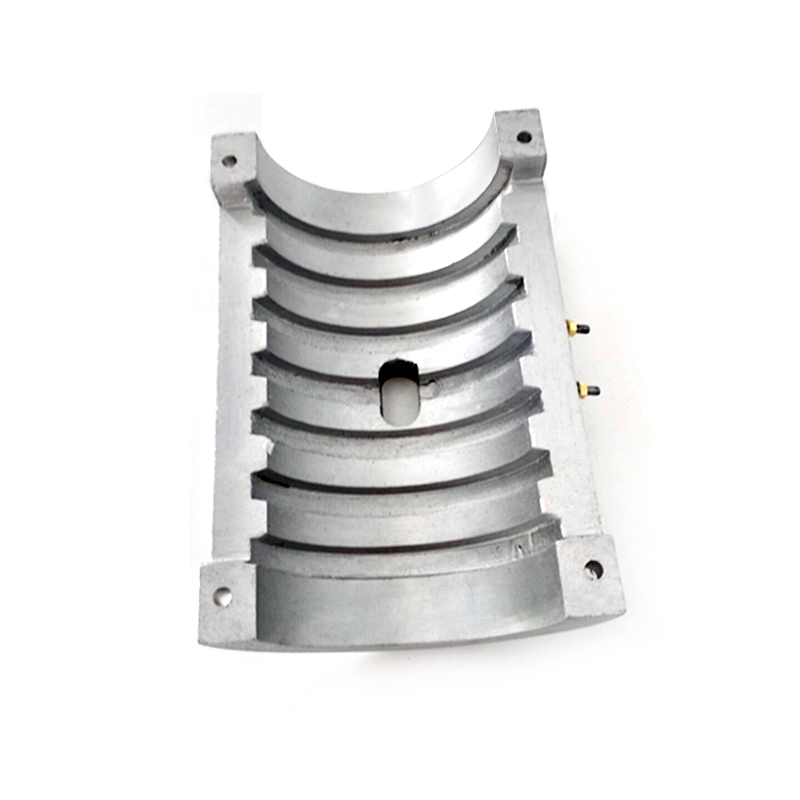
Ultimate Engineering Guide: Cast Aluminum Heater vs Ceramic Band Heater and Mica Band Solutions Read More »

Cast Bronze band Heater

High-Temperature Cast Bronze Sealing Jaw Heaters and Hot Platens: Shock Resistance & Thermal Transfer Engineering Guide

Customer Query: “My high-speed VFFS packaging machine constantly snaps internal heating elements. I need a heavy-duty, high-precision solution.” Hongtai Engineering Response: Replacing fragile, air-gapped cartridge heaters with a Hongtai cast bronze sealing jaw heater featuring an encapsulated high-temperature sealing bar element replaces vibration-sensitive assemblies with a solid, shock-absorbing copper-alloy structure capable of withstanding severe mechanical

High-Temperature Cast Bronze Sealing Jaw Heaters and Hot Platens: Shock Resistance & Thermal Transfer Engineering Guide Read More »

internal element cast in Aluminum heater

Internal Tubular Element Design in Cast-in Heaters: Bending and Annealing Standards

Integrating an internal element cast in heater matrix into industrial machinery requires rigorous metallurgy, precision tube forming, and high-density casting protocols. For R&D engineers and foundry technicians, embedding preformed tubular heating elements into cast aluminum, bronze, or iron matrices presents severe mechanical and thermal demands. During pouring, the embedded heating tubes must withstand high-temperature molten

Internal Tubular Element Design in Cast-in Heaters: Bending and Annealing Standards Read More »

Internal Tubular Element Cast-in Heaters

Internal Tubular Element Cast-in Heaters: Bending and Annealing Standards

Designing Internal Tubular Element Cast-in Heaters requires strict engineering control to withstand high mechanical bending stresses, elevated foundry pouring temperatures, and intense hydraulic compression. In high-performance Internal Tubular Element Cast-in Heaters, embedded heating elements must maintain structural integrity without sheath cracking or dielectric breakdown. If the internal tubular element inside Internal Tubular Element Cast-in Heaters

Internal Tubular Element Cast-in Heaters: Bending and Annealing Standards Read More »

Extruder Barrel Cast in Heater

Cast-in Aluminum Heaters for Plastic Extruders and Blow Molding Machines

An extruder barrel cast in heater must deliver continuous thermal stability under rigorous 24/7 production schedules without incurring heat transfer decay or excessive electrical energy waste. In plastic extrusion lines and high-speed blow molding machinery, thermal cycling causes metallic expansion that degrades contact pressure between the heater inner diameter (ID) and the cylinder wall. When

Cast-in Aluminum Heaters for Plastic Extruders and Blow Molding Machines Read More »

Cast Aluminum Band Heater for Watt Density Calculation

Troubleshooting Cast-in Heater Failures: Internal Element Burnout and Warping

Understanding root cast in heater failure causes is critical for facility maintenance engineers and plant after-sales technical support teams striving to eliminate unscheduled machine downtime. When a heavy heating assembly fails, identifying specific cast in heater failure causes—such as open-circuit burnout, warped contact faces, or cracked casting bodies—prevents premature replacement failures. Simply swapping out a

Troubleshooting Cast-in Heater Failures: Internal Element Burnout and Warping Read More »

custom cast in heater

How to Specify Custom Cast in Heaters for Industrial Machinery

Streamlining a Request for Quotation (RFQ) for a custom cast in heater is vital for procurement specialists, B2B importers, and OEM equipment engineers seeking to prevent costly drawing revisions, sample delays, and dimensional mismatches during manufacturing. Cast heating elements provide structural durability and uniform thermal distribution for heavy extrusion barrels, die blocks, and packaging machinery.

How to Specify Custom Cast in Heaters for Industrial Machinery Read More »

air cooled cast in heater

Air Cooled Cast in Heater vs. Liquid Cooled Cast Aluminum Heater for Extruder Barrels

Selecting the right air cooled cast in heater or liquid-cooled alternative is a foundational decision for managing extruder barrel heating and cooling performance. In high-throughput polymer extrusion, processing heat-sensitive resins—such as PVC, XLPE, or engineering fluoropolymers—frequently causes extreme viscous shear heating (exothermic heat generation) inside the barrel. When mechanical shear generates more thermal energy than

Air Cooled Cast in Heater vs. Liquid Cooled Cast Aluminum Heater for Extruder Barrels Read More »

Cast Aluminum Heater Plate Cast In Heater for Industrial Heating

How Porosity Affects Heat Transfer in Cast in Heating Elements

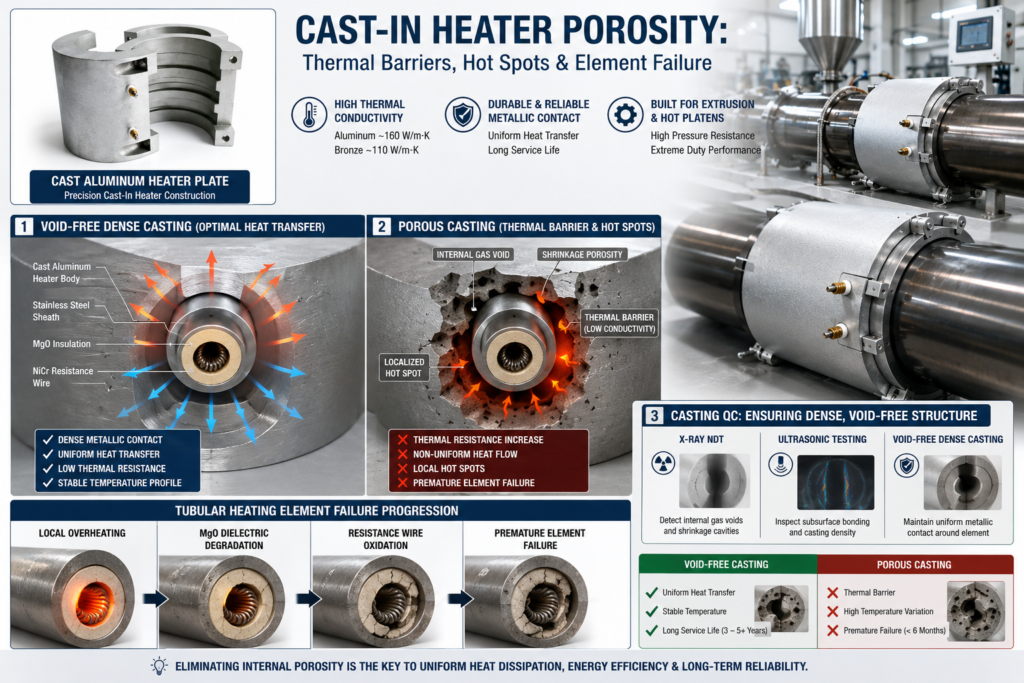
Internal cast in heater porosity created during aluminum or bronze liquid pouring severely undermines thermal conductivity, creating localized thermal barriers and leading to premature internal element failure. For thermal engineers and casting quality control managers, eliminating internal shrinkage and gas voids is critical to maintaining uniform heat dissipation across high-performance extruders and hot platens. Understanding

How Porosity Affects Heat Transfer in Cast in Heating Elements Read More »

Cast Aluminum Heater Plate Cast In Heater for Extruder and Hot Platen

Cast-In Heaters: Aluminum, Bronze & Brass Material Selection Guide

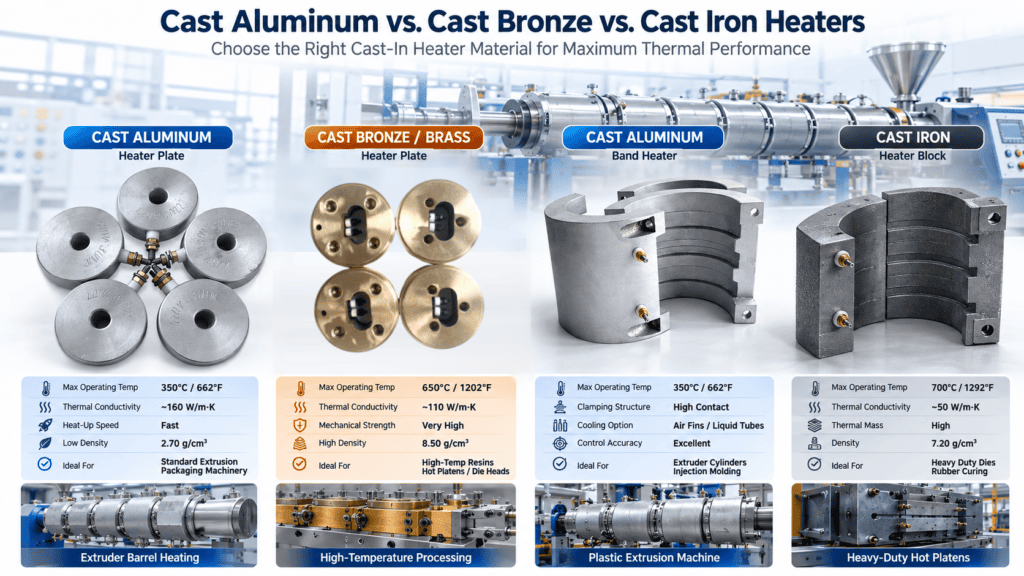
Choosing the right cast in heater material is a critical engineering decision for plastics extrusion, blow molding, injection molding, die heating, sealing equipment, and industrial hot platens. The casting alloy affects heat transfer, thermal response, mechanical strength, thermal expansion, cooling integration, machining stability, and ultimately the service life of the heating assembly.Operating a heating assembly beyond its alloy-specific thermal limit leads to structural creep, core element deformation, and catastrophic thermal contact resistance. Understanding the trade-offs

Cast-In Heaters: Aluminum, Bronze & Brass Material Selection Guide Read More »

Scroll to Top