Selecting the correct hot runner coil heater cross section is a fundamental mechanical and thermodynamic decision for mold design engineers and hot runner R&D personnel. When wrapping a heating element around an injection molding nozzle, the physical geometry of the wire directly dictates the surface contact area, thermal transfer efficiency, and the spatial footprint within the mold cavity. Choosing the wrong profile can lead to severe thermal contact resistance, localized hot spots, plastic degradation, and premature heater failure.
By analyzing the thermodynamic differences between a standard round element and a flat square coil heater, engineers can optimize heat distribution for demanding injection molding cycles. Hongtai Industry Heater manufactures precision micro-tubular heaters in various geometric profiles, ensuring mold designers can achieve the perfect balance between spatial constraints and maximum conductive efficiency.
1. The Physics of Surface Contact Area & Thermal Transfer
To evaluate the efficiency of a hot runner coil heater cross section, engineers must look at Fourier’s Law of Thermal Conduction as it applies to contact surfaces. The rate of heat transfer (Q) into the nozzle is directly proportional to the actual physical contact area (A) between the heater sheath and the steel nozzle body.
Q = hc · A · (Theater − Tnozzle)
Where:
- Q = Conductive heat transfer rate (W)
- hc = Thermal contact conductance coefficient (W/m²·K)
- A = Effective surface contact area (m²)
- T = Temperature difference between the heater and the nozzle
When comparing a rectangular vs round heating coil, the critical variable is A (Contact Area). A round cross-section only provides a tangential “line” of contact against the cylindrical nozzle, leaving microscopic air gaps (which act as thermal insulators) on either side. Conversely, flat geometries maximize A, drastically reducing thermal resistance and allowing the heater to operate at a lower internal core temperature while delivering the same heat to the plastic melt.
2. Round Coil Heaters: Flexibility and Spatial Efficiency
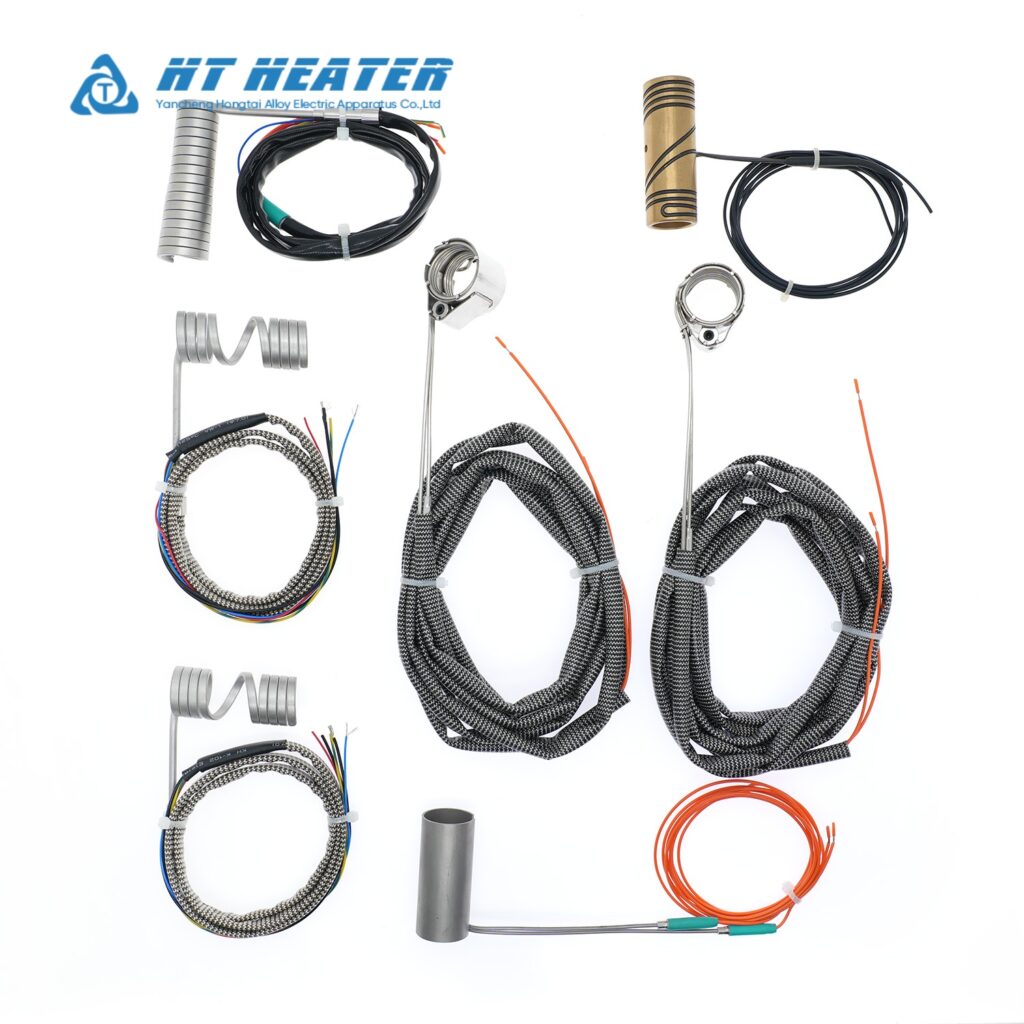
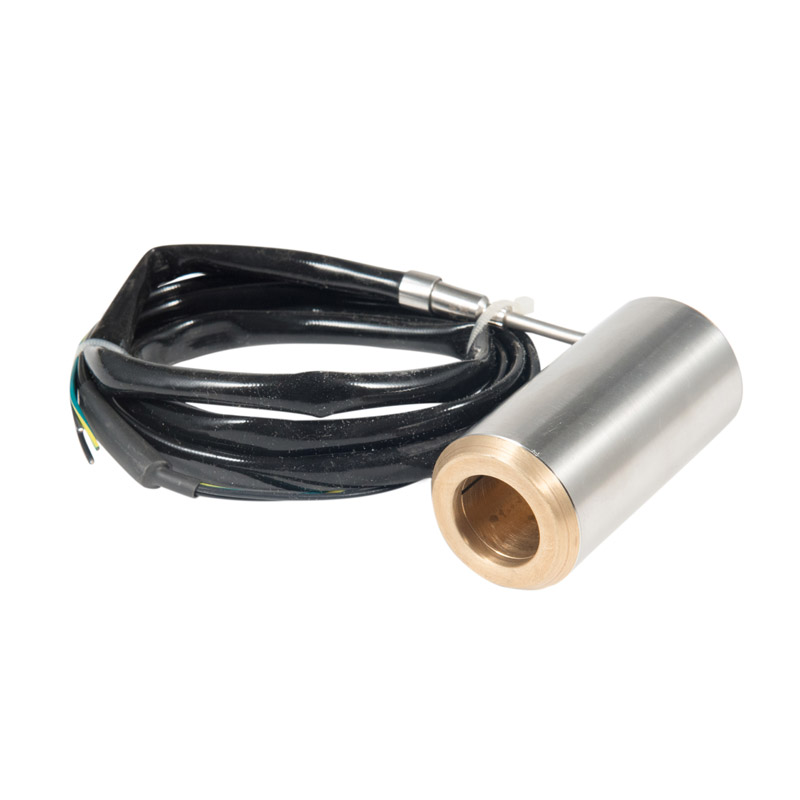
The traditional round hot runner coil heater cross section (typically ranging from Ø 1.5mm to Ø 4.0mm) remains a standard in the injection molding industry due to its inherent mechanical advantages.
- Advantages: Round heaters are highly malleable and can be easily bent, coiled, or routed through complex, tight-tolerance mold cavities without the sheath buckling or kinking.
- Disadvantages: Because a round profile only creates single-line contact with the flat surface of the nozzle, thermal transfer is less efficient. To compensate, round coils often must be run at higher internal watt densities, which can shorten the lifespan of the internal Nichrome resistance wire.
- Best Applications: Ideal for highly complex 3D routing, tight spatial constraints, and standard commodity plastic injection molding where extreme thermal precision is less critical.
3. Square and Rectangular Coil Heaters: Maximum Thermal Transfer
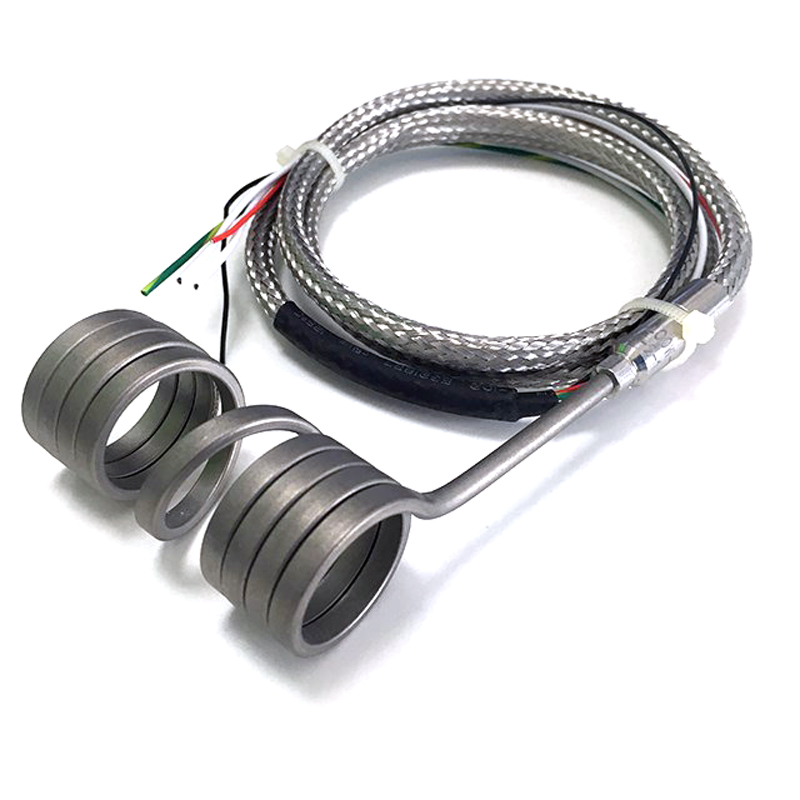
When engineers require maximum thermodynamic efficiency, upgrading to a square coil heater (e.g., 3.0 x 3.0mm) or a rectangular profile (e.g., 2.2 x 4.2mm) is the superior choice.
- Advantages: The flat inner surface sits flush against the nozzle body, maximizing the contact area ($A$). This direct surface-to-surface mating eliminates insulating air gaps, allowing heat to transfer instantaneously. The heater core runs cooler, drastically extending the service life of the element and preventing plastic degradation inside the nozzle.
- Disadvantages: Flat profiles are mechanically stiffer. A square coil heater is more difficult to form into tight radii and must be factory-coiled to exact nozzle specifications to prevent the flat surface from twisting or crowning during installation.
- Best Applications: Highly recommended for processing engineering resins (PEEK, PC, Ultem), medical molding, and high-speed multi-cavity hot runner systems requiring rapid ramp-up times and strict ±1°C uniformity.
4. Cross-Section Engineering Performance Matrix
To assist in specifying the correct hot runner coil heater cross section, refer to the comparative baseline below:
| Profile Type | Typical Dimensions | Surface Contact Efficiency | Flexibility & Forming | Primary Advantage |
| Round | Ø 1.8mm, Ø 3.0mm, Ø 3.3mm | Low (Line Contact) | Excellent (Easily hand-formed) | Best for complex routing and tight mold layouts. |
| Square | 3.0 x 3.0mm, 3.3 x 3.3mm | High (Flat Contact) | Moderate (Requires precision coiling) | Balances high heat transfer with standard groove sizes. |
| Rectangular | 2.2 x 4.2mm, 4.0 x 6.0mm | Maximum (Broad Flat Contact) | Low (Factory-coiled only) | Lowest internal operating temperature; longest lifespan. |
For metallurgical data on stainless steel and nickel sheath materials used in these profiles, engineers can reference MatWeb Material Property Data, or consult ISO Machinery Standards for global mold base tolerances.
Industrial Heating Solutions from Hongtai Industry Heater
Selecting the optimal hot runner coil heater cross section ensures your injection molding equipment operates at peak efficiency with minimal downtime. Hongtai Industry Heater collaborates directly with hot runner system integrators and mold designers to manufacture custom rectangular, square, and round coil heaters tailored to your exact nozzle dimensions and wattage requirements.
If you are experiencing premature heater burnout, slow ramp-up times, or uneven plastic melt flow, upgrading your profile geometry can permanently resolve these thermodynamic bottlenecks.Contact Hongtai Industry Heater’s technical sales team for comprehensive CAD evaluations, custom coil winding, and expert OEM thermal solutions.
B2B Related Technical Resources
- Sizing & Calculations:Cast in Heater kW Calculation: Sizing, Thermal Mass, and Ramp-Up Time
- High-Precision Applications: Precision Cast Heating Platen: Achieving ± 1 °C Uniformity for Semiconductor and Medical Equipment
- Surface Preparation: Cast-in Heater Maintenance Guide: Surface Cleaning and Thermal Compound Application
- Clamping Mechanics:Clamping and Mounting Systems for Cast-in Heaters: Spring Loading vs. Bolt-On Design