Precision hot runner heaters are essential thermal control components engineered for high-precision injection molding of medical devices and 3C electronic components. Processing specialty engineering thermoplastics like Polyetheretherketone (PEEK) and Polycarbonate (PC) demands strict thermal uniformity within ±1°C to prevent polymer degradation, optical yellowing, or mechanical stress fractures. In ultra-compact multi-cavity molds, choosing the correct heating element determines the difference between flawless medical-grade production and costly melt batch scrap.
At Hongtai Industry Heater, we manufacture high-performance micro spring heaters specifically designed for cleanroom environments, medical tooling, and high-density 3C electronic enclosure molds. This guide provides mold designers and process engineers with actionable selection criteria for optimizing thermal accuracy and resin stability.
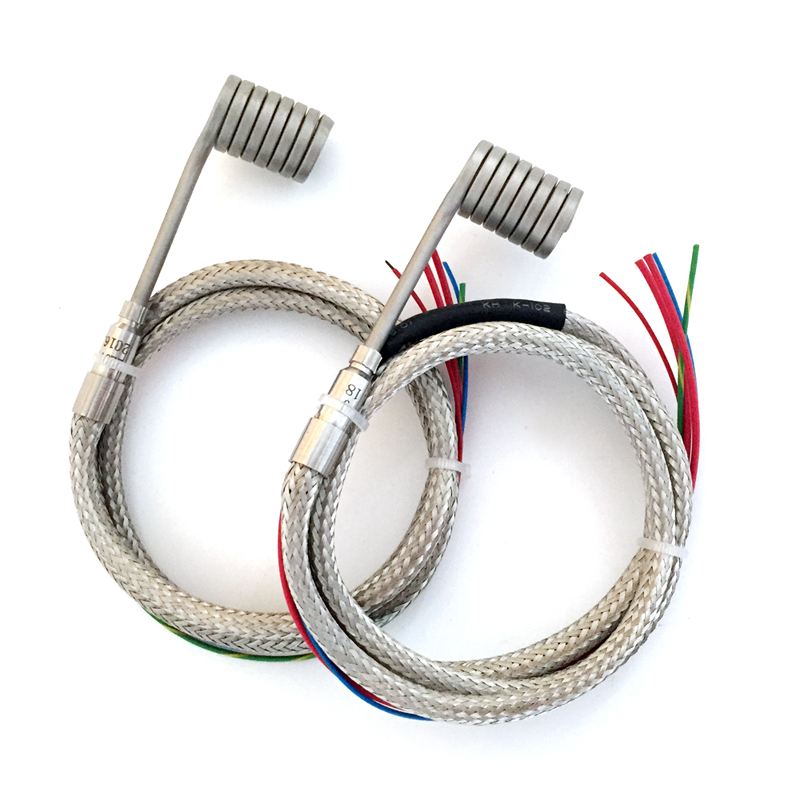
1. What are Micro Coil Heaters
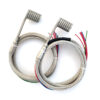
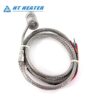
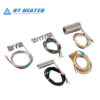
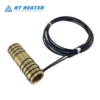
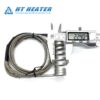
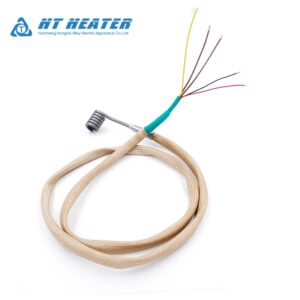
A micro coil heater is a miniaturized, flexible heating element featuring customized hot runner coil heater cross section profiles (such as 1.8mm x 3.2mm flat or square geometry) designed to wrap tightly around small-diameter hot runner nozzles. Constructed with high-purity Magnesium Oxide (MgO) insulation and a nickel-chromium element wire inside a specialized metal sheath, these heaters deliver high watt densities in tight mold spaces.
2. Why Precision hot runner heaters Temperature Control (±1°C) Matters
When molding high-transparency medical components (e.g., fluid manifolds, syringes) or micro 3C connectors, thermal control directly impacts part quality:
Thermal Degradation Risks in PEEK Processing
PEEK is a semi-crystalline super-engineering plastic with a melting point of 343°C and an ideal processing window between 360°C and 400°C. Exceeding 400°C by even 5°C due to localized heater hot spots causes rapid thermal cross-linking and resin discoloration. Utilizing distributed wattage coil heaters maintains even heat distribution across nozzle tips, preventing black specks and molecular chain breakdown in surgical implants.
Shear Burn and Stress Haze in Polycarbonate (PC)
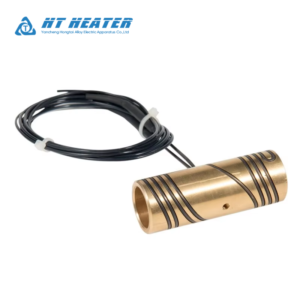
Polycarbonate requires precise nozzle temperature control (280°C to 320°C). Undercooling leads to nozzle freeze-off and high melt viscosity, causing internal stress fractures in optical lenses. Overheating causes thermal shear burning, gas lines, and optical yellowing. For total elimination of air gaps in optical molding, review the Hongtai pressed-in brass hot runner heater design for maximum heat transfer uniformity.
3. Key Engineering Selection Criteria for Medical & 3C Tooling
Selecting the right heater for medical device molders and 3C electronics plants involves evaluating five core engineering parameters:
(1). Distributed Watt Density Profiling
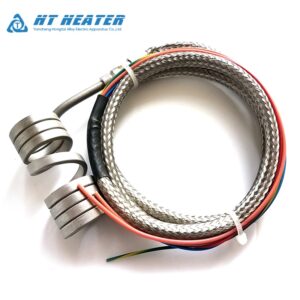
To offset thermal loss at the nozzle tip and manifold contact points, precision coil heaters feature tailored winding density—coiled tighter at both ends and wider in the middle. Learn more about optimizing heat distribution in our article on distributed wattage coil heaters.
(2). Precision Nozzle ID Tolerances
Achieving a tight fit between nozzle OD and heater ID eliminates micro air gaps that cause thermal lag. Check our specifications for HT-CR coil heater ID tolerance standards.
(3). Integrated Thermocouple Feedback
For true ±1°C PID temperature control, feedback must be instantaneous. Integrating a Type J or Type K thermocouple directly inside the heater sheath near the nozzle tip eliminates thermal inertia. Explore our guide on coil heater with built-in thermocouple options.
(4). Sheath Metallurgy & Cleanroom Compliance
Medical molding requires cleanroom-compatible heaters that resist high-temperature oxidation. Select optimal materials via our breakdown on sheath materials for hot runner coil heaters.
(5).Lead Wire Protection & Maintenance
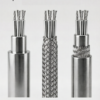
Protect transition headers from resin blowback using flexible armor or Teflon sleeving as covered in coil heater lead wire selection and protection. For existing lines facing electrical issues, refer to troubleshooting hot runner coil heater failures.
4. Heater Selection Matrix by Resin & Application
Use the following reference matrix to match your injection molding resin and part requirements with the optimal heater configuration:
| Resin / Polymer | Target Processing Temp | Permissible Temp Variance | Recommended Heater Type | Key Sheath & Feature Spec |
| PEEK / PPSU / PEI | 360°C – 400°C | ±1.0°C | Micro Coil Heater with Distributed Winding | Incoloy 800 Sheath + Built-in Type J TC (Ungrounded) |
| PC / PMMA (Optical) | 280°C – 320°C | ±1.0°C – ±1.5°C | Flat/Square Section Pressed-in Brass Coil | 360° Surface Contact Brass Sleeve + PTFE Lead Exit |
| LCP / PBT (3C Micro) | 310°C – 350°C | ±1.5°C | Ultra-Micro Coil (1.3mm x 2.1mm) | High Watt Density (up to 15 W/cm²) + Flexible Armor Lead |
| Medical PP / ABS | 200°C – 240°C | ±2.0°C | Standard Spring Coil Heater | Stainless Steel 304 Sheath + Moisture-Resistant Header |
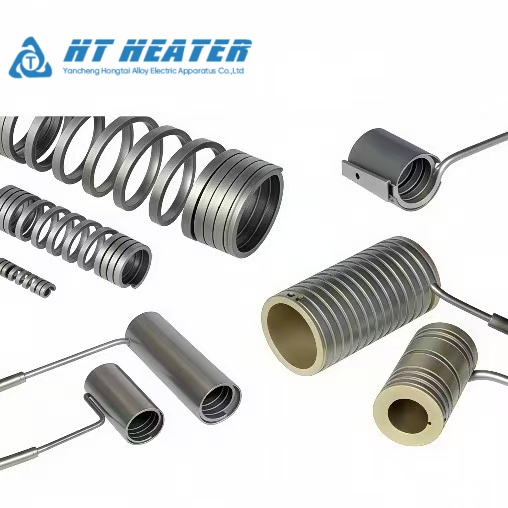
5. Best Practices for Installation & Moisture Prevention
Even the highest quality heater will fail prematurely if installed improperly or stored in humid conditions.
Avoid Excessive Lead Bending: Do not bend lead wire transition points within 10mm of the ceramic adapter header to prevent joint shearing.
Precision Tooling Fit: Maintain tight tolerances between nozzle outer diameter and heater inner diameter (H7/g6 fit). Micro air gaps act as thermal barriers, causing localized wire burnout.
Moisture Bakeout Protocol: MgO insulation inside coil heaters is naturally hygroscopic. Before applying 230V full power in cleanroom setups, perform a soft-start preheat cycle at 100°C (30% duty cycle) for 20 minutes to vent trapped atmospheric moisture safely.
Contact Hongtai for Custom Lead Assemblies & B2B Quotes
Precision molding requires zero compromises in thermal performance. Hongtai Industry Heater provides custom-engineered micro coil heaters, pressed-in brass heaters, and thermocouple assemblies crafted specifically for demanding medical mold makers and 3C electronics molding facilities.
Contact Our Engineering Team
Ready to upgrade your mold harness layout or need factory-direct replacement heaters?
Contact Hongtai for Coil heater lead wires selection guide.