htwaimaokuaiche@gmail.com

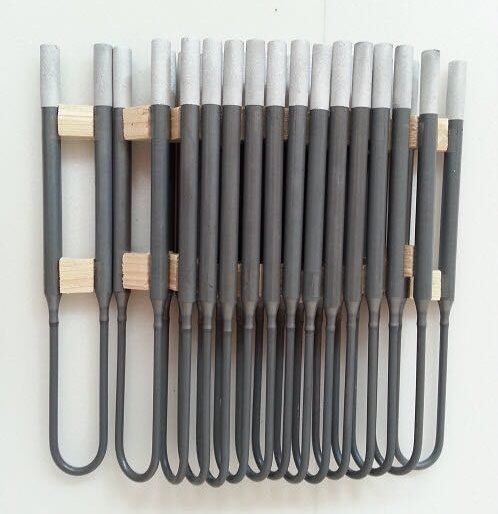
MoSi2 heating element

MoSi₂ Heating Elements: Grades, Shapes & High-Temperature Applications

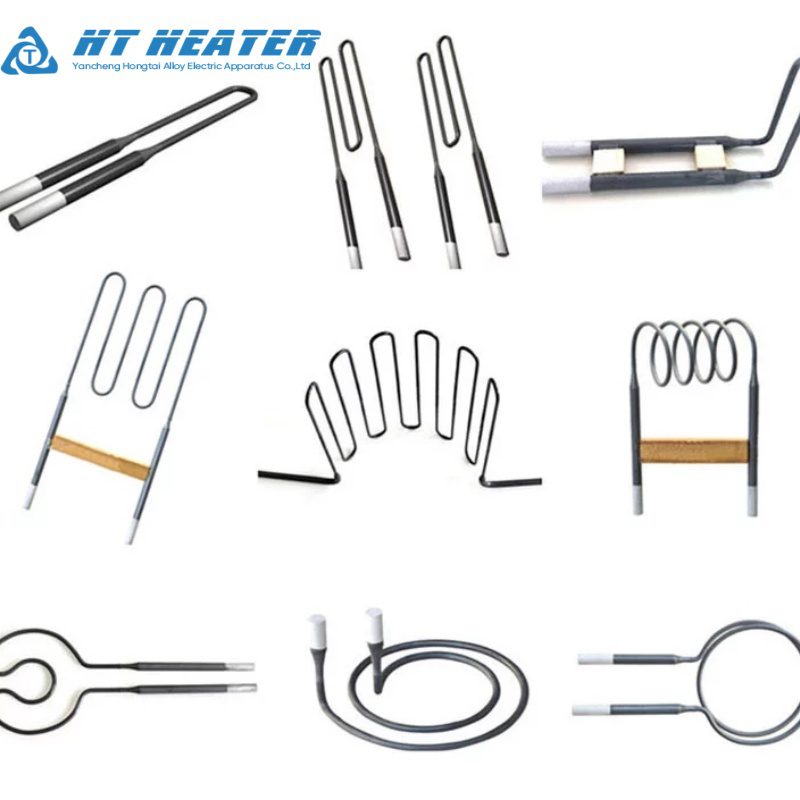
When an industrial furnace process requires continuous operating temperatures between 1500 °C and 1750 °C in oxidizing atmospheres, a MoSi2 heating elements (molybdenum disilicide cermet heater) is the industry standard. Operating well beyond the metallurgical limits of metallic resistance wire and silicon carbide, MoSi₂ forms a self-healing quartz glass (SiO2) surface film that delivers stable, non-aging radiant

MoSi₂ Heating Elements: Grades, Shapes & High-Temperature Applications Read More »

SiC heating element installation

SiC Heating Element Installation: Spacing, Supports & Failure Prevention

Sintered silicon carbide (SiC) delivers exceptional high-temperature radiant flux, but it remains a rigid, brittle ceramic with zero mechanical ductility. In industrial furnaces, premature rod fracture, terminal arcing, and localized wall melting are frequently traced back to improper SiC heating element installation—such as binding wall bores, misaligned support bridges, or taut terminal straps. This engineering

SiC Heating Element Installation: Spacing, Supports & Failure Prevention Read More »

SiC heating element resistance

SiC Heating Element Resistance: Aging, Power Control & Replacement

When a high-temperature kiln stalls at 1220°C despite the power controller running at 100% output, the primary suspect is silicon carbide heater aging. Unlike metallic elements that maintain flat resistance, SiC heating element resistance increases progressively over operating hours. However, low furnace output does not always mean dead elements. Active SCR current limits, insufficient transformer

SiC Heating Element Resistance: Aging, Power Control & Replacement Read More »

SiC vs. MoSi2 Heating Elements

SiC vs. MoSi2: The Ultimate Heating Element Selection Guide

In the design of high-temperature industrial furnaces and precision ceramic kilns, when the chamber temperature exceeds the physical limits of metallic resistance alloys, non-metallic Silicon Carbide (SiC) and Molybdenum Disilicide (MoSi2) Heating Elementsbecome the two dominant heating technologies. If you are still mapping the thermal boundaries between metal wire and basic ceramics, our foundational guide

SiC vs. MoSi2: The Ultimate Heating Element Selection Guide Read More »

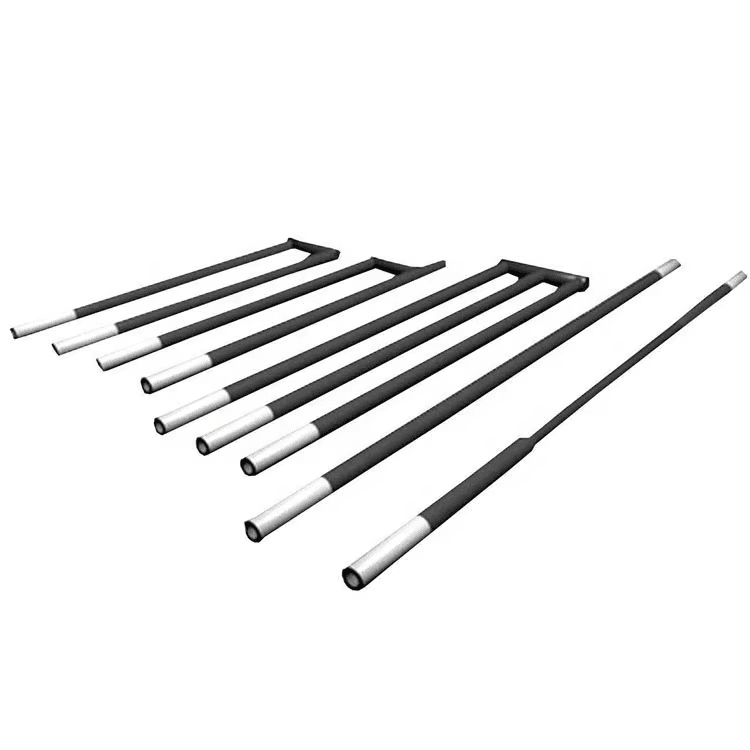
Silicon carbide heating elements

Silicon Carbide Heating Elements: Types, Shapes & Selection Guide

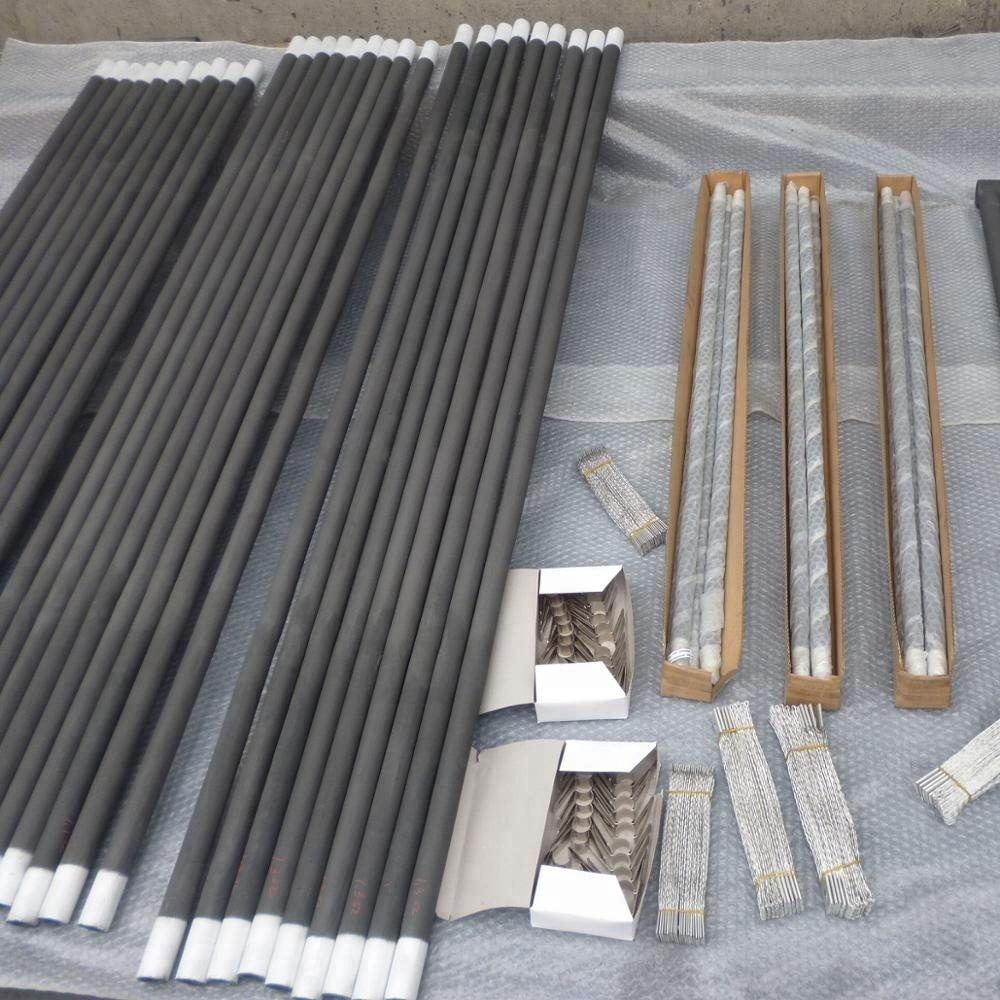
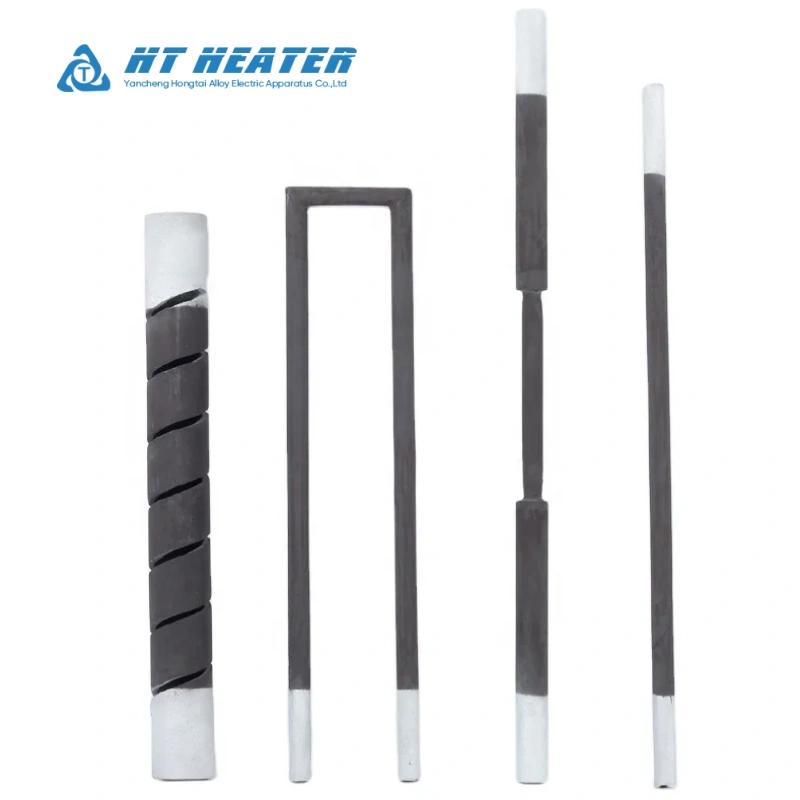
Silicon carbide heating elements (commonly referred to as SiC heating rods or glow bars) serve as the primary radiant heat source for high-temperature industrial furnaces, ceramic sintering kilns, magnetic material pusher kilns, and non-ferrous metal melting furnaces operating between 1000°C and 1550°C. However, field engineers frequently encounter premature rod breakage, arcing at metallized terminal ends,

Silicon Carbide Heating Elements: Types, Shapes & Selection Guide Read More »

Custom 220V Electrical Ceramic Bobbin Radiant Tube Heater

Ceramic Bobbin Heaters: Construction, Wire & Applications

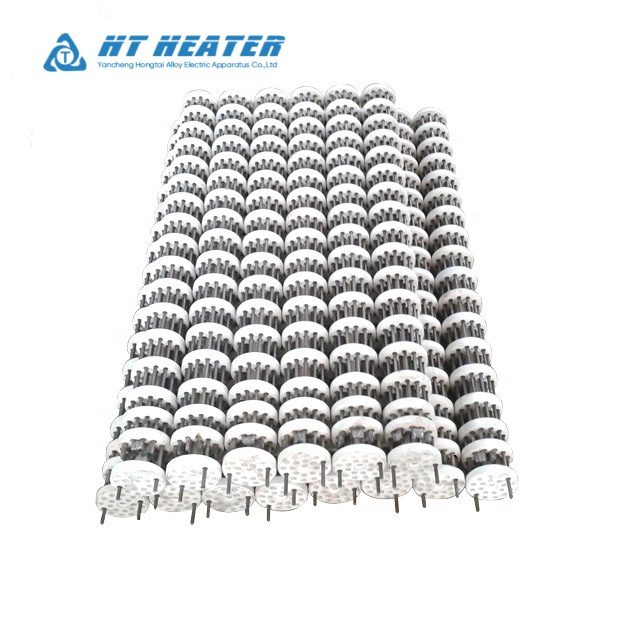
Ceramic bobbin heaters provide a modular, high-temperature radiant heating solution for industrial furnace manufacturers and electric heating element design engineers. In controlled-atmosphere heat treatment furnaces, radiant tube assemblies, and large-volume storage tanks, engineering teams must balance high surface heat transfer with electrical insulation integrity and maintenance accessibility. A properly specified ceramic bobbin heater enables rapid

Ceramic Bobbin Heaters: Construction, Wire & Applications Read More »

Industrial furnace heating elements

Industrial Furnace Heating Elements: NiCr vs. SiC vs. MoSi₂

Industrial furnace heating elements form the thermodynamic core of heat treatment, sintering, melting, and thermal processing equipment. For industrial furnace design engineers and heat treatment equipment manufacturers, choosing the wrong heating material does not merely reduce thermal efficiency—it can trigger premature element burnout, atmosphere contamination, or costly power supply overhauls. Effective furnace heater selection requires

Industrial Furnace Heating Elements: NiCr vs. SiC vs. MoSi₂ Read More »

Tubular heater quality control

Tubular Heater Quality Control: Electrical Testing, Inspection & Compliance

Tubular heater quality control is the definitive benchmark for QA quality managers and sourcing engineers managing global supply chains, where generic promises of “strict quality control” are never enough. In industrial thermal systems, a single dielectric breakdown or insulation failure can lead to severe equipment damage, safety hazards, and costly downtime. Reliable quality control relies

Tubular Heater Quality Control: Electrical Testing, Inspection & Compliance Read More »

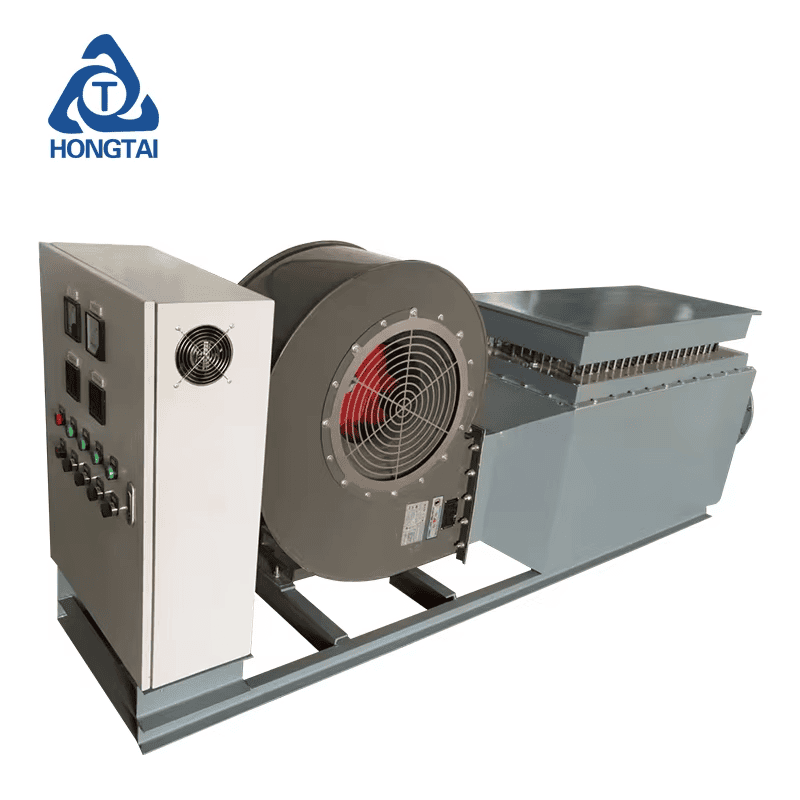
Industrial duct heater sizing & selection

Industrial Duct Heater Sizing & Selection: CFM, kW and Temperature Rise

For HVAC project engineers and facility managers, Industrial duct heater sizing & selection and specifying an air duct tubular heater bank requires much more than simply picking a kilowatt rating from a standard catalog. In commercial HVAC and industrial process air heating systems, an improperly sized duct heater frequently leads to nuisance tripping, premature element

Industrial Duct Heater Sizing & Selection: CFM, kW and Temperature Rise Read More »

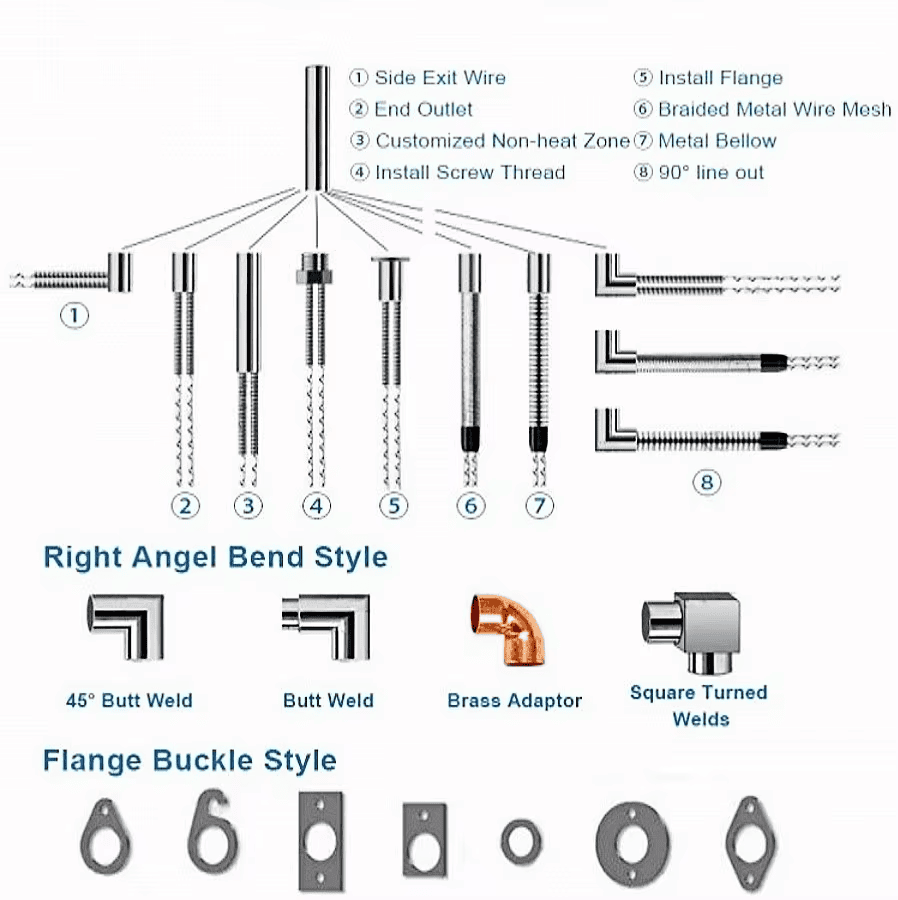
Tubular Heater Terminal Types

How to Specify Custom OEM Tubular Heaters for B2B Procurement

When sourcing custom OEM tubular heaters from a trusted tubular heater manufacturer, the accuracy of your engineering specification dictates both project velocity and production quality. Incomplete drawings or missing dimensional parameters inevitably lead to extended Design for Manufacturability (DFM) reviews, delayed sampling, and potential field failures. A professional custom tubular heater drawing should define not

How to Specify Custom OEM Tubular Heaters for B2B Procurement Read More »

Scroll to Top