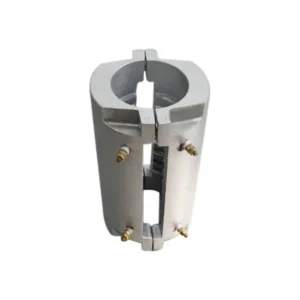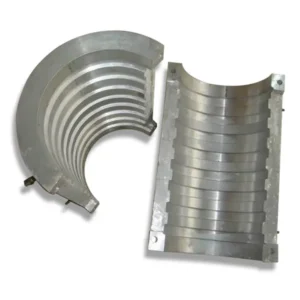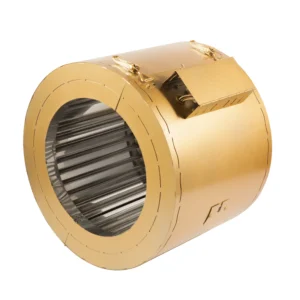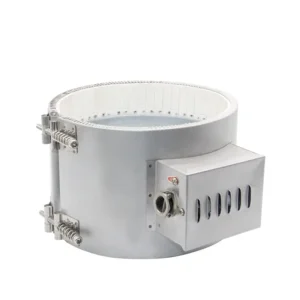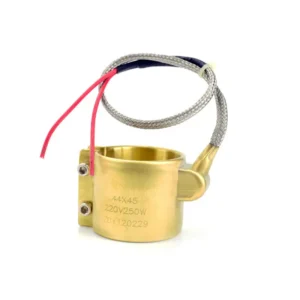
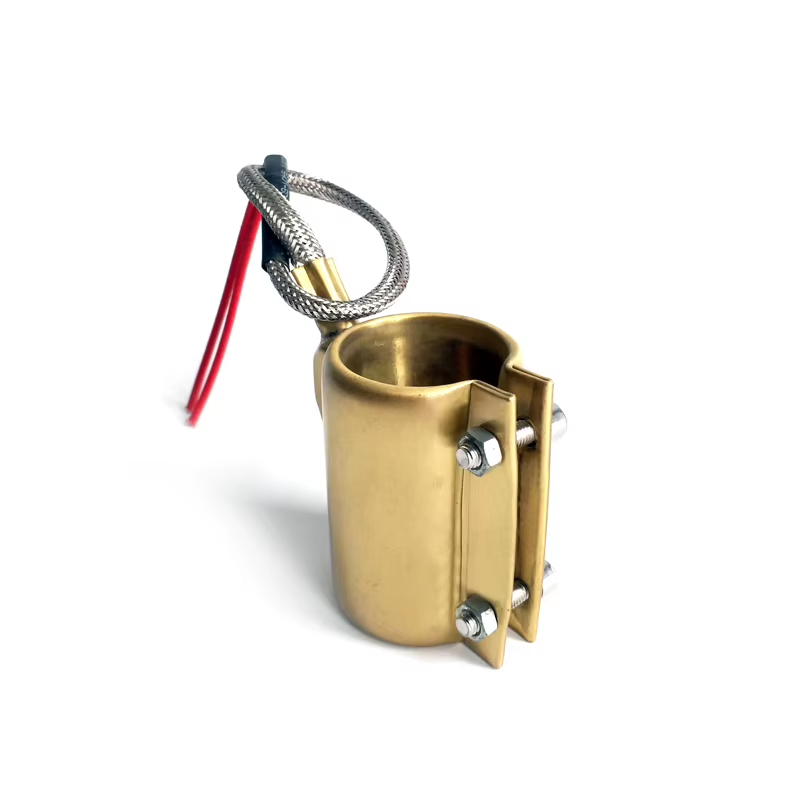
A Brass Nozzle Heater is specifically engineered to overcome one of the most destructive and costly challenges in plastic injection molding: molten polymer leakage at the machine nozzle interface. Plastic drool, blowback, and nozzle weeping during high-pressure injection cycles often submerge conventional heating bands in molten resin. Standard unsealed mica or ceramic band heaters allow liquid plastic to seep into the internal winding assembly, causing immediate insulation breakdown, short circuits, electrical fires, and hours of difficult cleanup.
Upgrading injection machine nozzles to a hermetically sealed brass nozzle heater creates a fluid-tight barrier that protects critical electrical components, slashes unscheduled maintenance downtime, and extends heater service life even in demanding, high-duty processing environments.
1. How Plastic Leakage Destroys Standard Nozzle Heaters
In injection molding setups, the nozzle operates under extreme hydraulic pressures (often exceeding 1,500 bar) and continuous thermal cycling. When plastic drool occurs due to nozzle misalignments, worn sprue bushings, or improper backpressure, molten polymer flows backward over the nozzle body:
- Capillary Ingress: Standard band heaters feature open seams or unsealed ceramic terminals. Molten plastic penetrates the internal mica insulation layers via capillary action.
- Carbonization & Short Circuits: Trapped inside the high-temperature zone, the plastic resin carbonizes into a conductive carbon path. This immediately bridges the resistance wire to the outer sheath, tripping circuit breakers and causing element blowout.
- Mechanical Encapsulation: Once the leaked plastic cools and hardens around an unsealed heater, removing the solidified mass without damaging the machine nozzle or destruction of the heater band becomes nearly impossible.
By contrast, a sealed band heater encased in a heavy-duty brass enclosure completely blocks molten plastic from reaching the internal electrical insulation and Nichrome resistance wire.
2. Engineering Architecture of a Sealed Brass Nozzle Heater
To maintain high watt densities (up to 6 W/cm²) while providing absolute fluid protection, a quality brass nozzle heater integrates specialized structural engineering features:
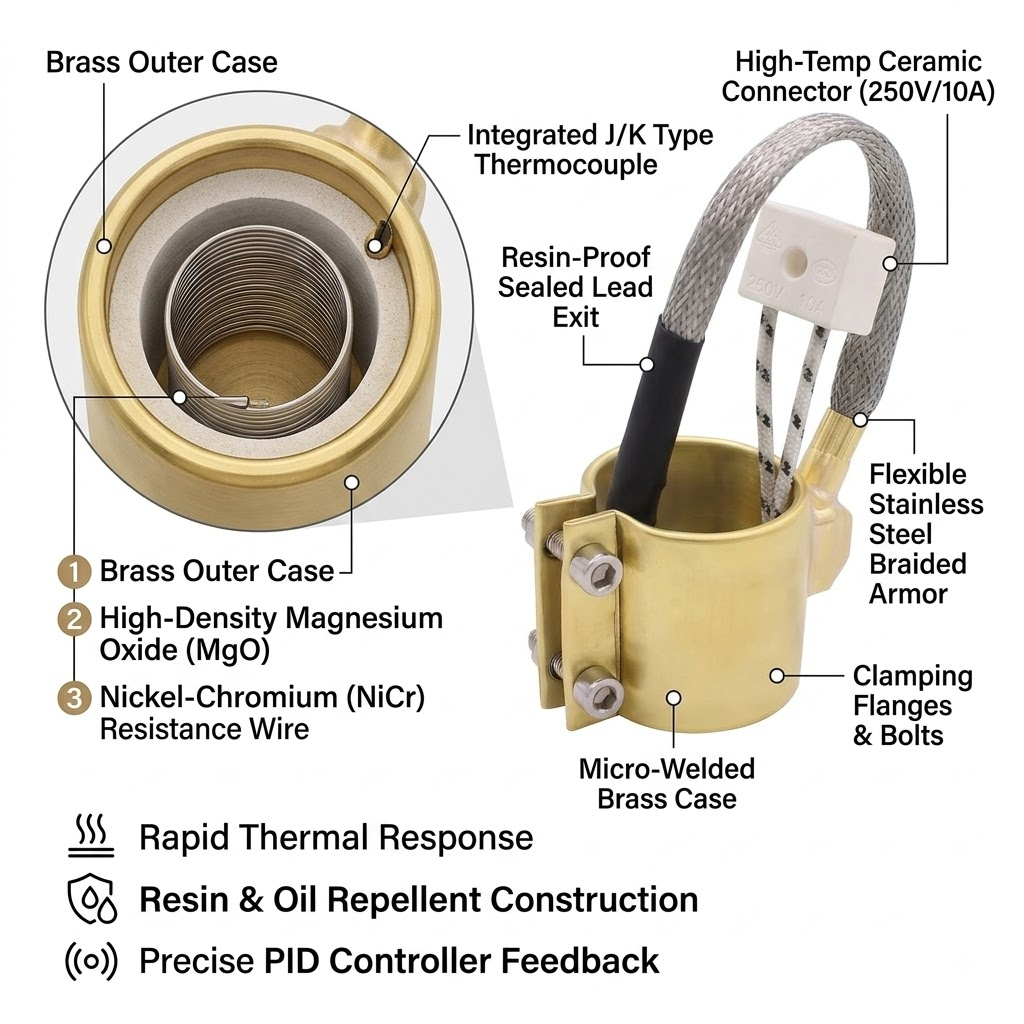
- Hermetic Brass Enclosure: The heater body is folded and micro-welded or silver-soldered from high-purity brass, forming a continuous 360° seamless jacket that repels liquid polymers and oil contaminants.
- Flexible Metal Armor & Braided Leads: Electrical lead wire exits are reinforced with stainless steel armor or flexible metal braiding, sealed at the junction box to prevent resin ingress along the electrical cables.
- High-Compaction MgO Insulation: Compacted magnesium oxide insulation ensures rapid heat transfer from the nickel-chrome resistance wire to the brass outer wall, maintaining fast thermal response during continuous injection cycles.
- Integrated Thermocouple Options: Many units incorporate built-in Type J or Type K thermocouples directly against the brass inner wall, ensuring precise real-time temperature feedback to the PID controller.
Plant managers evaluating barrel and die heating across other processing zones can review our Cast-in Heater Material Selection Guide: Aluminum vs. Bronze vs. Iron to compare heavy-duty casting alternatives for larger machinery.
3. Downtime and Performance Comparison
Replacing conventional unsealed heating bands with hermetically sealed brass elements transforms maintenance productivity and equipment availability across injection molding bays.
| Operational Metric | Standard Unsealed Mica Nozzle Band | Hermetically Sealed Brass Nozzle Heater |
| Resistance to Plastic Leakage | Poor (Immediate liquid ingress & shorting) | Complete Fluid-Tight Protection |
| Average Service Lifespan | 1 to 6 Months (Vulnerable to drool) | 12 to 36+ Months Continuous |
| Maximum Watt Density | ~3.5 – 4.0 W/cm² | Up to 6.0 W/cm² |
| Cleanup Effort After Leakage | Destructive (Requires torching or scraping) | Easy (Plastic peels off smooth brass) |
| Electrical Safety Rating | High risk of ground fault shorts | High Insulation Resistance (>500 MΩ) |
While nozzle zones require high watt density in compact spaces, larger barrel zones focused on overall power reduction should evaluate our energy-saving analysis in Nano Band Heater: ROI & 30%+ Energy Savings Guide.
4. Installation Best Practices for Maintenance Engineers
To ensure maximum heat transfer and prevent premature thermal burnout in a Brass Nozzle Heater, injection molding operators and maintenance technicians should follow strict installation procedures:
- Surface Preparation: Thoroughly clean the nozzle surface using a brass wire brush and solvent to remove carbonized residue, rust, or pitted metal before mounting.
- Uniform Clamping Torque: Tighten the clamping screws evenly to ensure 100% circumferential contact with the nozzle. Air gaps between the brass inner wall and nozzle body create thermal barriers that lead to localized hot spots.
- Re-Tightening After Initial Heat-Up: Bring the nozzle zone up to operating temperature (~200°C–250°C), hold for 15 minutes, turn off power, and re-torque clamping bolts to compensate for metal thermal expansion.
- Preventing Internal Voids: Just as internal porosity undermines heat transfer in heavy castings—as detailed in How Porosity Affects Heat Transfer in Cast-in Heating Elements—air gaps under a nozzle band cause rapid internal resistance wire overheating.
For broader diagnostic procedures regarding electrical testing and insulation resistance drops across processing equipment, consult How Porosity Affects Heat Transfer in Cast in Heating Elements or explore our primary technical reference: Industrial Band Heaters: The Ultimate Engineering Guide to Selection, Efficiency & Troubleshooting (2026 Edition).