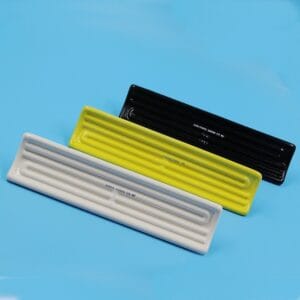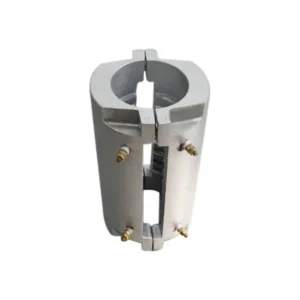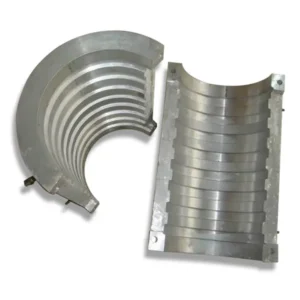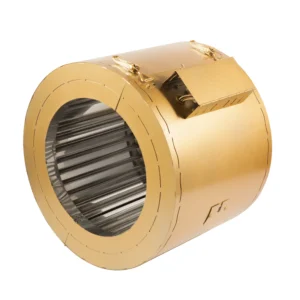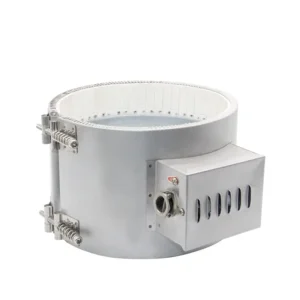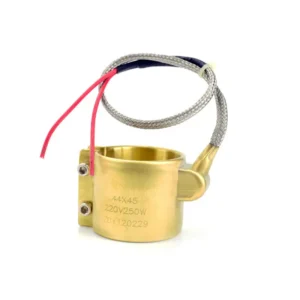
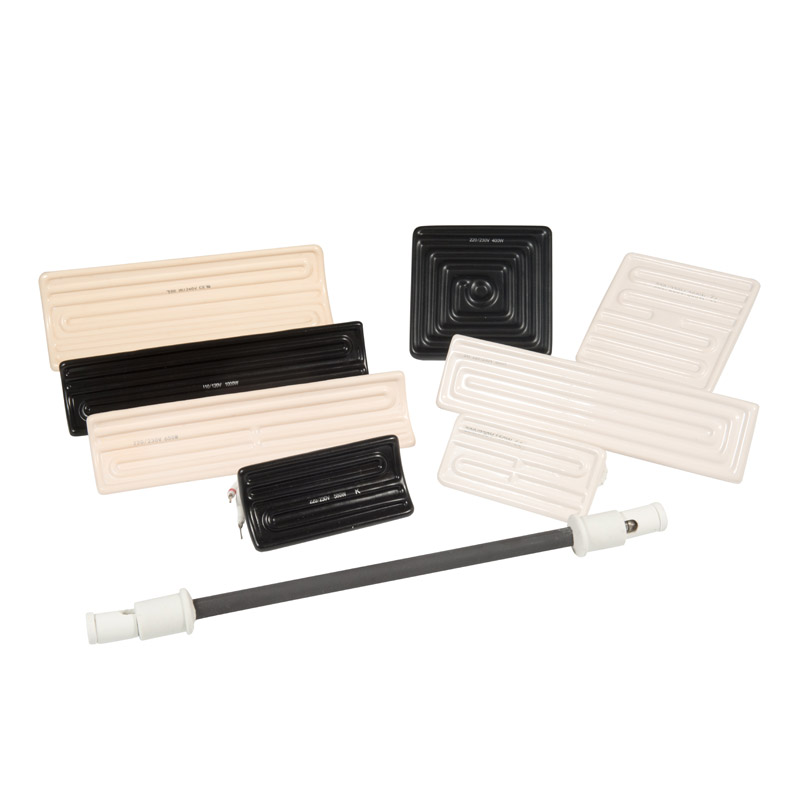
Ceramic infrared heaters are the backbone of many industrial heating processes, prized for their ability to emit long-wave infrared radiation (typically between 2 and 10 microns). This specific wavelength is highly efficient because it is readily absorbed by a wide range of materials, particularly plastics.
When configuring an industrial oven, thermoforming machine, or curing system, engineers are often faced with a critical choice: Should you use a trough (solid) ceramic heater or a hollow ceramic heater?
While both look similar from the outside and operate on the same fundamental infrared principles, their internal structures dictate how they perform. Here is a comprehensive guide to understanding the differences and choosing the right element for your application.
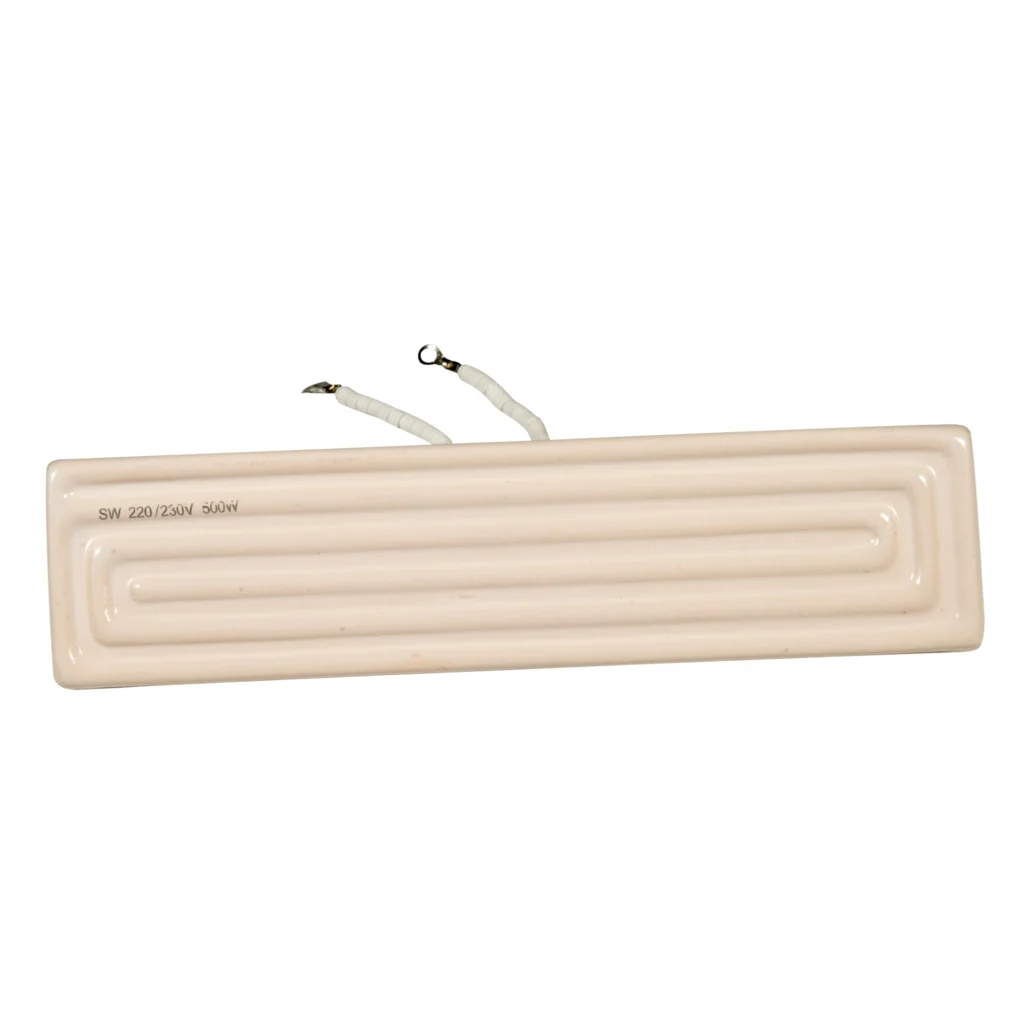
What is a Trough (Solid) Ceramic Heater?
Often referred to as standard or solid cast ceramic elements, trough heaters feature a resistance heating wire (usually a high-grade nickel-chrome alloy) completely embedded within a solid ceramic body.
Key Characteristics:
- Durability: The solid cast construction protects the internal heating wire from corrosive gases, moisture, and physical impact, making them incredibly robust.
- Heat Distribution: They produce a concentrated heat output that disperses slightly over a distance.
- Heat-up Time: Because of their solid mass, they take slightly longer to reach their maximum operating temperature.
Ideal Applications:
Trough heaters excel in continuous processes where the heater is placed at a greater distance from the target material. They are the industry standard for thermoforming ovens, vacuum forming, and large-scale paint curing where consistent, long-term heat is required.
What is a Hollow Ceramic Heater?
Hollow ceramic heaters, as the name suggests, feature a hollow cavity behind the heating surface. The cavity acts as an insulating barrier, reducing heat loss from the back of the element.
Key Characteristics:
- Faster Response Times: With less physical mass to heat up, hollow elements reach operating temperatures significantly faster and cool down quicker than solid types.
- Directional Efficiency: The hollow design minimizes backward heat dissipation, pushing more infrared energy forward toward the target material.
- Energy Efficiency: Because they direct heat more efficiently and respond faster, they can reduce overall energy consumption in specific setups.
Ideal Applications:
These heaters are perfect for applications requiring rapid heat-up and cool-down cycles, or processes where the heater must be positioned very close to the target material. They are frequently used in packaging machinery, fast-cycle thermoforming, and applications where back-heat loss must be strictly controlled to protect sensitive wiring or equipment.
Quick Comparison: Trough vs. Hollow
| Feature | Trough (Solid) Heaters | Hollow Heaters |
| Internal Structure | Solid ceramic casting | Hollow cavity behind surface |
| Heat-Up/Cool-Down | Slower | Faster |
| Heat Direction | Good forward radiation, some back heat | Excellent forward radiation, minimal back heat |
| Operating Distance | Better for longer distances | Excellent for close-range heating |
| Cycle Type | Continuous heating | Fast or intermittent cycles |
| Durability | Extremely high | High |
How to Make the Final Decision
When selecting between trough and hollow ceramic infrared heaters, consider the following parameters of your manufacturing process:
- Operating Distance: If your heating elements are positioned close to the material web, hollow heaters provide excellent, efficient heat without overwhelming the system. If they are further away, trough heaters provide the robust output needed to cross the gap.
- Cycle Requirements: Does your process run continuously all day, or does it require frequent stops and starts? For intermittent cycles, the rapid response of a hollow heater will save time and energy. For continuous operations, the steady reliability of a trough heater is unmatched.
- Surrounding Environment: If you have sensitive components behind the heating bank, the reduced back-heat of a hollow element is highly advantageous.
Need technical assistance? Selecting the exact wattage, voltage, and heater profile is crucial for optimizing your production line. Many of our ceramic heaters can be custom-fitted with integrated K-type thermocouples for precise temperature control.
Contact our engineering team today to discuss your specific requirements and receive a customized technical data sheet for your project.