The Engineer’s Dilemma: Looks Can Be Deceiving
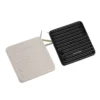
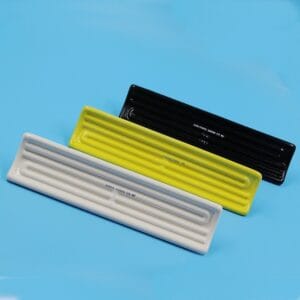
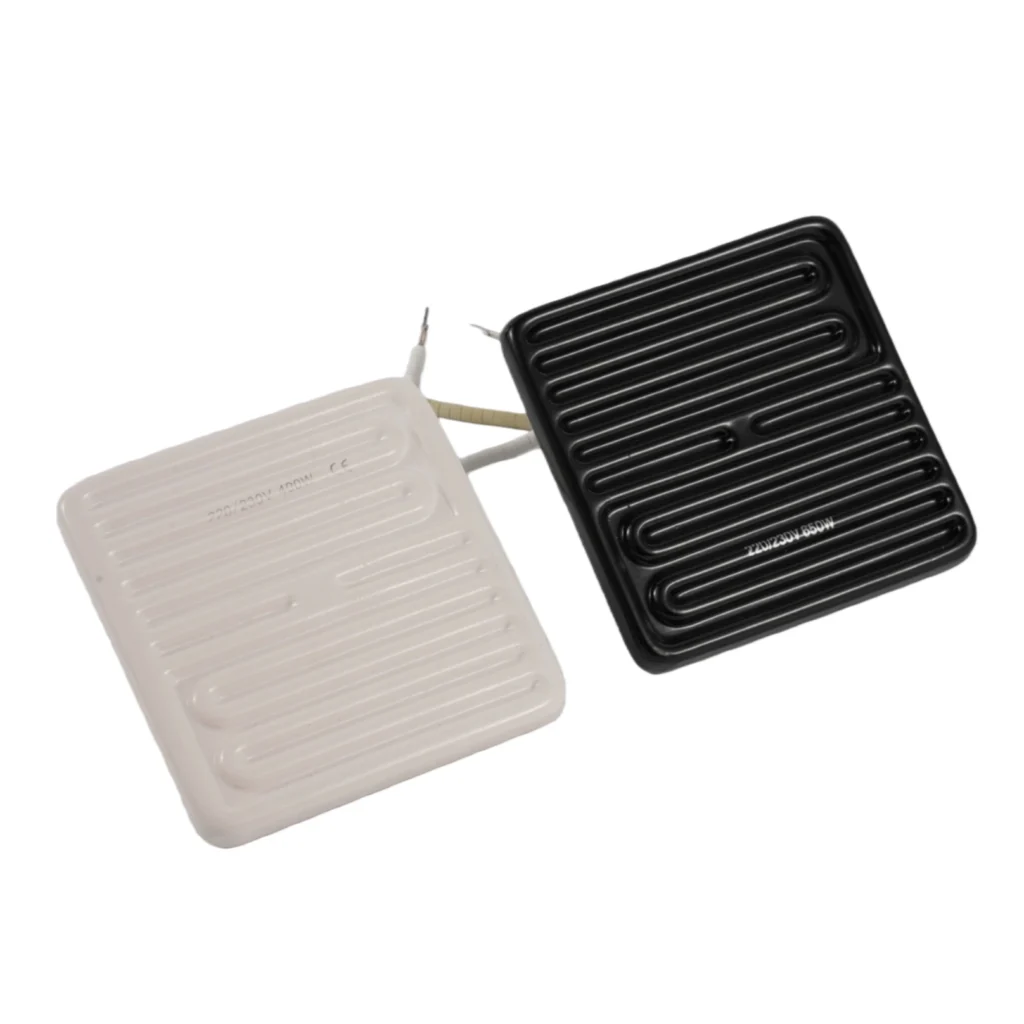
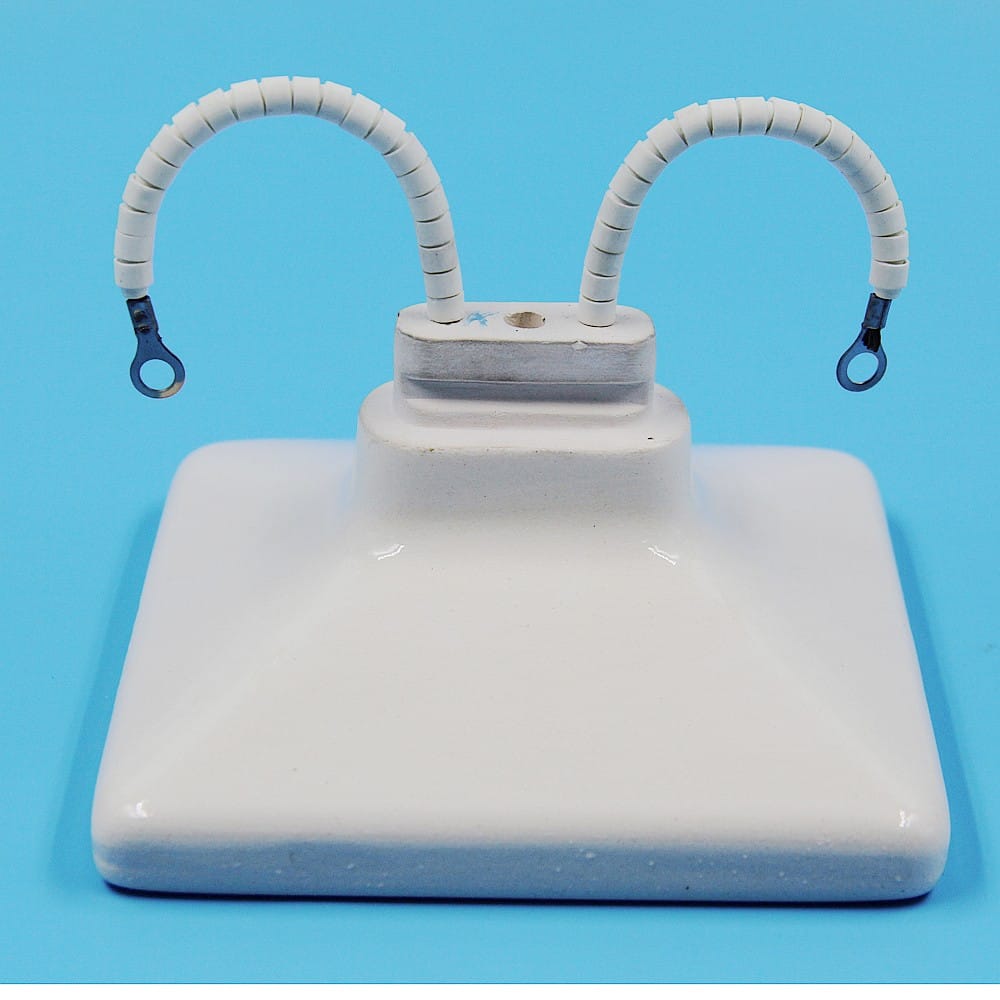
When outfitting an industrial oven, thermoforming machine, or packaging line with infrared heating elements, engineers are often faced with a critical choice: Solid or Hollow ceramic heaters? From the front, a solid ceramic heater and a hollow ceramic heater look virtually identical. However, beneath the glazed surface, their internal architectures dictate entirely different thermal behaviors. Choosing the wrong element can lead to sluggish process times, wasted electricity, and excessive ambient heat in your facility.
In this efficiency analysis, we break down the fundamental differences between solid and hollow ceramic heaters so you can make an informed, data-driven decision in under a minute.
1. The Traditional Workhorse: Solid Ceramic Heaters
Solid ceramic heaters are the industry standard for robust, continuous radiant heating. As the name implies, the resistance wire (NiCr) is completely embedded within a solid block of refractory ceramic material.
- How it works: When powered, the entire solid ceramic mass must heat up before it begins emitting optimal levels of far-infrared radiation to the target material.
- The Pros: Excellent physical durability, high thermal mass (holds heat for a long time), and a lower initial purchase price.
- The Cons: Because the heat radiates in all directions, a significant amount of thermal energy is lost through the back of the heater into the wiring and machine framework. They also have slower heat-up and cool-down cycles.
2. The Energy Saver: Hollow Ceramic Heaters
Hollow ceramic heaters represent a significant technological upgrade. These elements are manufactured with a specialized internal air cavity directly behind the resistance wire.
- How it works: The internal air space acts as a formidable thermal barrier. Instead of heating a thick block of ceramic, the energy is forced to radiate rapidly from the front surface.
- The Pros: Rapid heat-up and cool-down times, highly directional heat emission, and up to 40% reduction in rear heat loss.
- The Cons: Higher initial cost and slightly more fragile than their solid counterparts due to the hollow core.
Heat Transfer Efficiency: The Head-to-Head Comparison
To understand which heater fits your process, we must look at the thermal dynamics.
A. Heat-Up Curves and Response Time
If your manufacturing process requires frequent cycling, rapid indexing, or quick tool changes, response time is your most critical metric.
- Solid Elements: Can take up to 10–15 minutes to reach an operating temperature of 500°C (932°F). Their high thermal mass means they also take a long time to cool down, which can be dangerous during emergency line stops.
- Hollow Elements: Can reach the same 500°C operating temperature in roughly half the time (5–7 minutes). This rapid response is critical for precision thermoforming and automated packaging lines.
B. Rear Heat Loss (Energy Waste)
Where does the heat go? This is where hollow heaters truly shine.
- In a Solid Ceramic Heater, nearly 30% to 40% of the generated heat can escape through the back of the element. This not only wastes electricity but also bakes your machine’s wiring and raises the ambient temperature of the factory floor.
- A Hollow Ceramic Heater traps the heat at the front. The air pocket ensures that over 80% of the radiant energy is directed exactly where you want it: onto your product. (Note for Webmaster: Add internal link here to your upcoming article “Minimizing Heat Loss in Thermoforming Machines”).
Decision Matrix: Which One Should You Choose?
Use this quick guide to make your specification decision:
Choose Solid Ceramic Heaters If:
- Your process runs 24/7 without interruption (continuous ovens).
- You are operating on a strict initial equipment budget.
- The heaters will be subject to physical impacts or extreme vibrations.
- Fast heat-up/cool-down times are not critical to your production yield.
Choose Hollow Ceramic Heaters If:
- You are operating thermoforming machines, blister packaging, or cyclical processes.
- You want to reduce your machine’s electrical consumption and improve ROI.
- You need tight, highly responsive PID temperature control.
- Your current setup suffers from overheated wiring or heat-damaged reflectors.
Don’t Forget the Temperature Control
Whether you select hollow or solid designs, achieving maximum efficiency requires precision control. Both types can be manufactured with a built-in thermocouple (typically Type J or Type K) positioned perfectly to measure the emitter’s true surface temperature.
Selecting the right sensor ensures your heating panel avoids thermal lag and prevents material burning. (Note for Webmaster: Add internal link here with anchor text: “Read our guide on Selecting the Right Thermocouple for Ceramic Heaters”).
Conclusion
While solid ceramic heaters remain a reliable and cost-effective choice for continuous, heavy-duty applications, hollow ceramic heaters are the undisputed champions of efficiency and precision. By minimizing rear heat loss and offering faster thermal response, hollow elements easily offset their higher initial cost through long-term energy savings.
Ready to upgrade your heating system? Check out our full range of industrial infrared solutions in our (Note for Webmaster: Add internal link to Article 1: “Complete Engineering & Selection Guide”), or contact our engineering team to calculate the energy savings for your specific application.