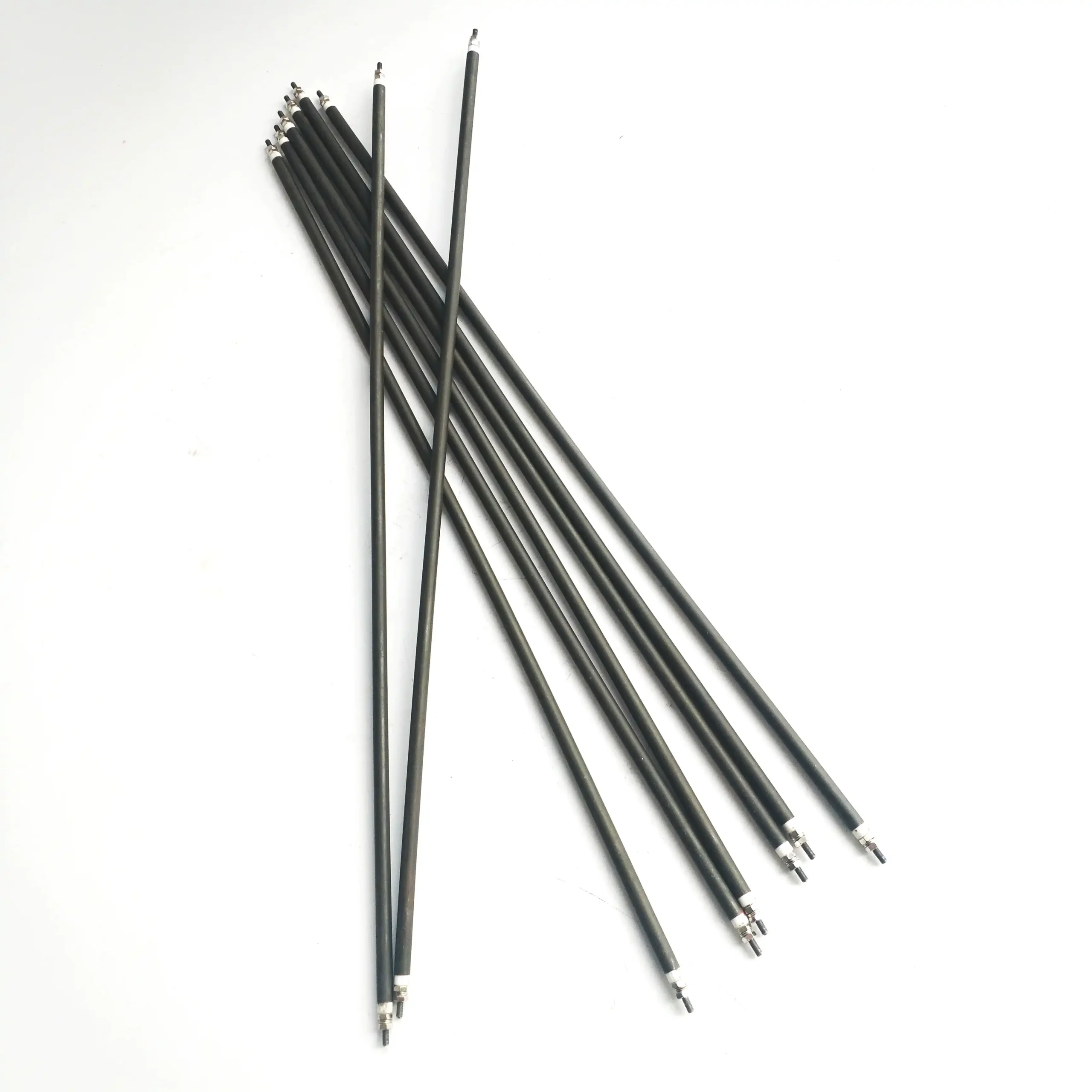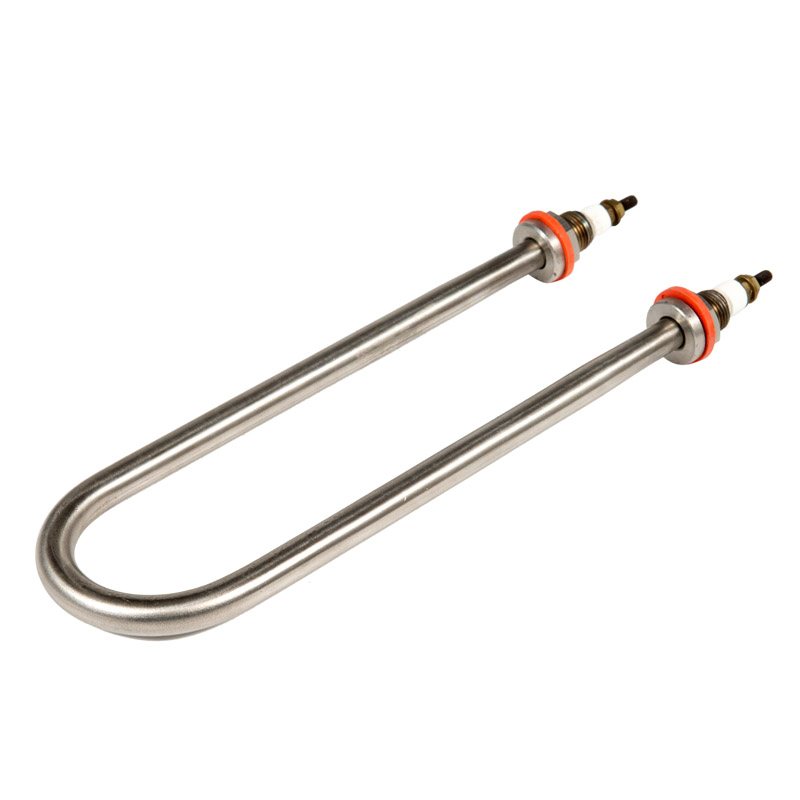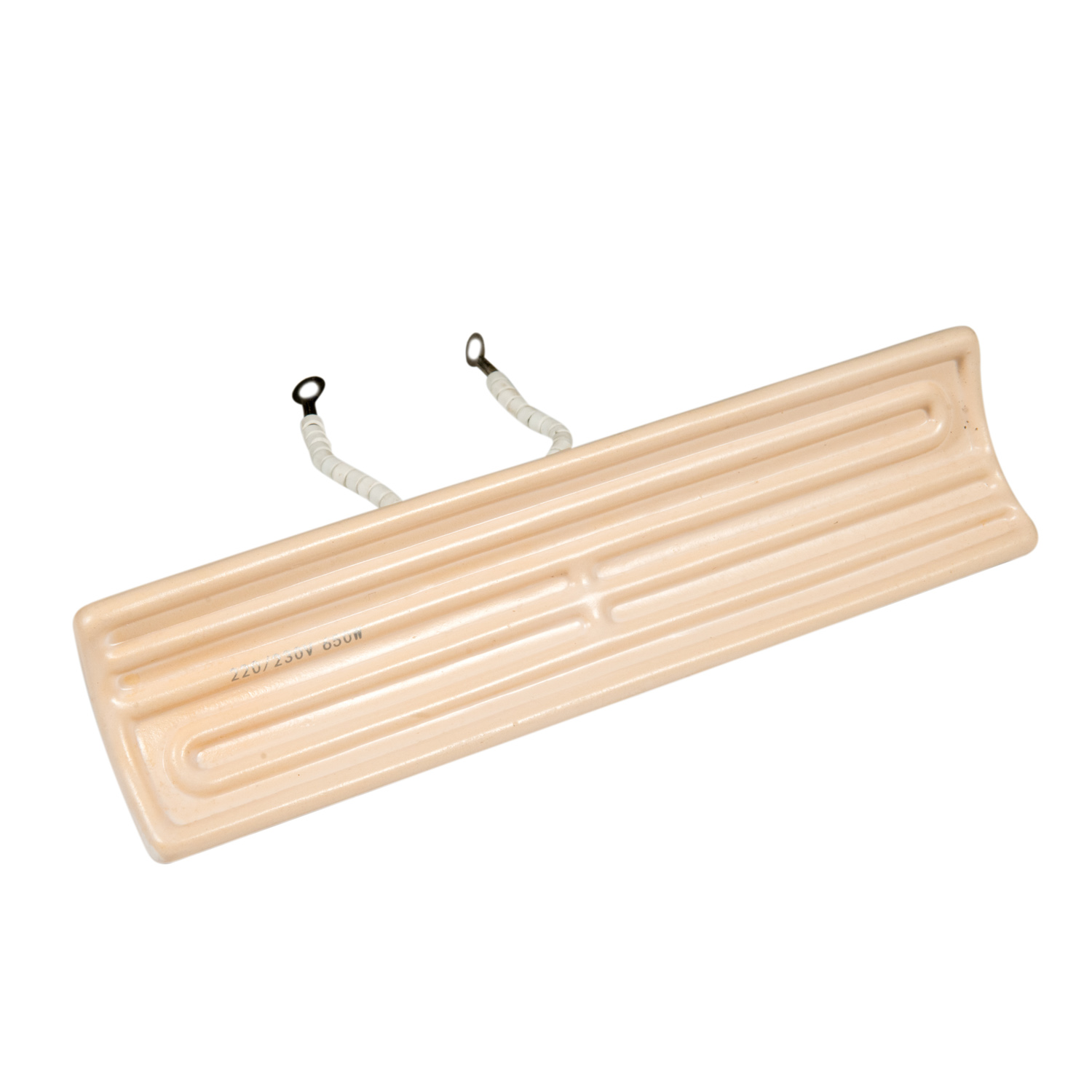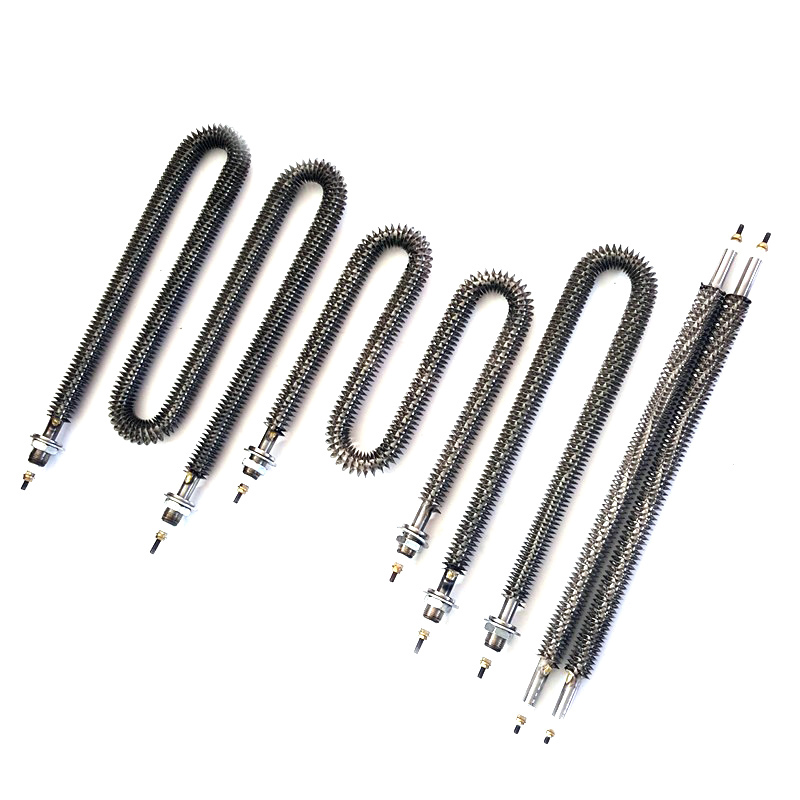


Wear Resistant Thermocouple for Cement & Power Plants
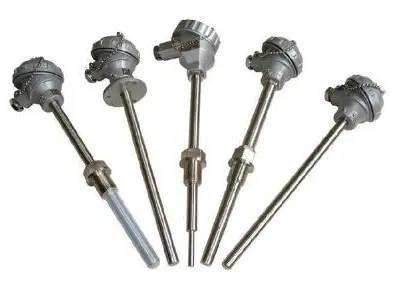
In the abrasive environments of Circulating Fluidized Bed (CFB) boilers, cement cyclones, and coal pulverizers, standard thermocouples can fail in days due to erosion. Hongtai Wear Resistant Thermocouples are engineered specifically to survive this “sandblasting” effect.
Featuring a specialized Tungsten carbide thermocouple protection tube (or composite alloy), these sensors achieve a surface hardness exceeding HRC 60. This creates an impenetrable shield against high-velocity solid particles like coal powder, clinker dust, and fly ash, extending the sensor lifespan from weeks to months or even years in critical MRO applications.
Key Technical Features & Selling Points
-
Super Hardness (>HRC 60): We utilize advanced surface treatments including Tungsten Carbide (WC) spray coating and Stellite surfacing. This makes the Abrasion resistant probe hard enough to deflect high-speed abrasive particles without eroding.
-
Composite “Tube-in-Tube” Structure:
-
Outer Layer: Sacrificial wear-resistant layer designed to take the physical abuse.
-
Inner Layer: Corrosion-resistant stainless steel or corundum tube to protect the sensor core from chemical attack (sulfur/chlorine gases).
-
-
Shock Resistance: Unlike pure ceramic tubes which are brittle, our metal-matrix composite design can withstand the mechanical shocks and vibrations common in Coal mill temperature sensor locations.
-
Replaceable Core: The internal element can be replaced without removing the heavy-duty wear well from the boiler wall, reducing maintenance downtime.
Technical Specifications (WRN-M Series)
| Parameter | Specification | Material Option |
| Product Type | Wear resistant thermocouple | Cut-off Type / Screw Type |
| Calibration | Type K (NiCr-NiSi) | Type N (Better for Oxidation) |
| Temp Range | 0°C to 1100°C | – |
| Protection Tube Material | Tungsten Carbide (WC), GH3030, 1Cr18Ni9Ti+WC | Wear-resistant Alloy Steel |
| Hardness | HRC 60 – HRC 65 | Standard SS is only HRC 20 |
| Probe Diameter | 16mm, 20mm, 25mm, 30mm | Heavy Wall Thickness |
| Process Connection | Flange (DN25/DN50) or Thread (M27/M33) | – |
| Velocity Resistance | Up to 100 m/s particle velocity | – |
Industry-Specific Solutions
-
Cement Industry (Cement kiln thermocouple):
-
Application: Cyclone preheaters, tertiary air ducts, and grate coolers.
-
Challenge: High-velocity clinker dust acts like sandpaper.
-
Solution: Our “NM” series with sintered wear heads ensures accurate readings without the tube wearing thin and exposing the wires.
-
-
Power Generation (CFB Boilers):
-
Application: Furnace bed, cyclone separator, and Coal mill temperature sensor points.
-
Challenge: Fluidized bed combustion involves suspending coal particles in air jets.
-
Solution: The Tungsten Carbide coating withstands the constant erosion of the fluidized bed better than any other metal alloy.
-
-
Mining & Metallurgy:
-
Application: Washing plants and sintering machines.
-
Solution: Protects against wet slurry abrasion and mechanical impact.
-
How It Works: The Composite Shield
Standard stainless steel is soft. When a particle hits it at 50 m/s, it gouges the metal. Over time, the tube wall thins until it breaches.
Hongtai Wear resistant thermocouples use a composite coating technology.
-
Spray Welding: We spray molten tungsten carbide powder onto the steel substrate.
-
Sintering: The coating is fused to the base metal, creating a metallurgical bond that won’t flake off.
-
Result: Particles bounce off the hard surface, preserving the structural integrity of the probe.
FAQ
Q: How long will it last?
A: In a typical coal mill application where standard SS316 probes last 2 weeks, our Tungsten carbide thermocouple typically lasts 6-12 months. Lifespan depends on particle velocity and angle of impact.
Q: Can I use this in molten metal?
A: No. This specific design is for abrasive solid particles in gas streams. For molten aluminum or steel, please use our Ceramic protection tube thermocouple (Corundum or Silicon Nitride) which resists liquid metal corrosion.
Q: Is the response time slower?
A: Slightly. Due to the thick heavy-duty wall required for wear resistance, thermal lag is increased by 10-20 seconds compared to a thin probe. However, for large boilers and kilns, durability is far more important than millisecond response speed.
(Internal Link Suggestion: View our Industrial Thermocouple Assembly for non-abrasive zones. )