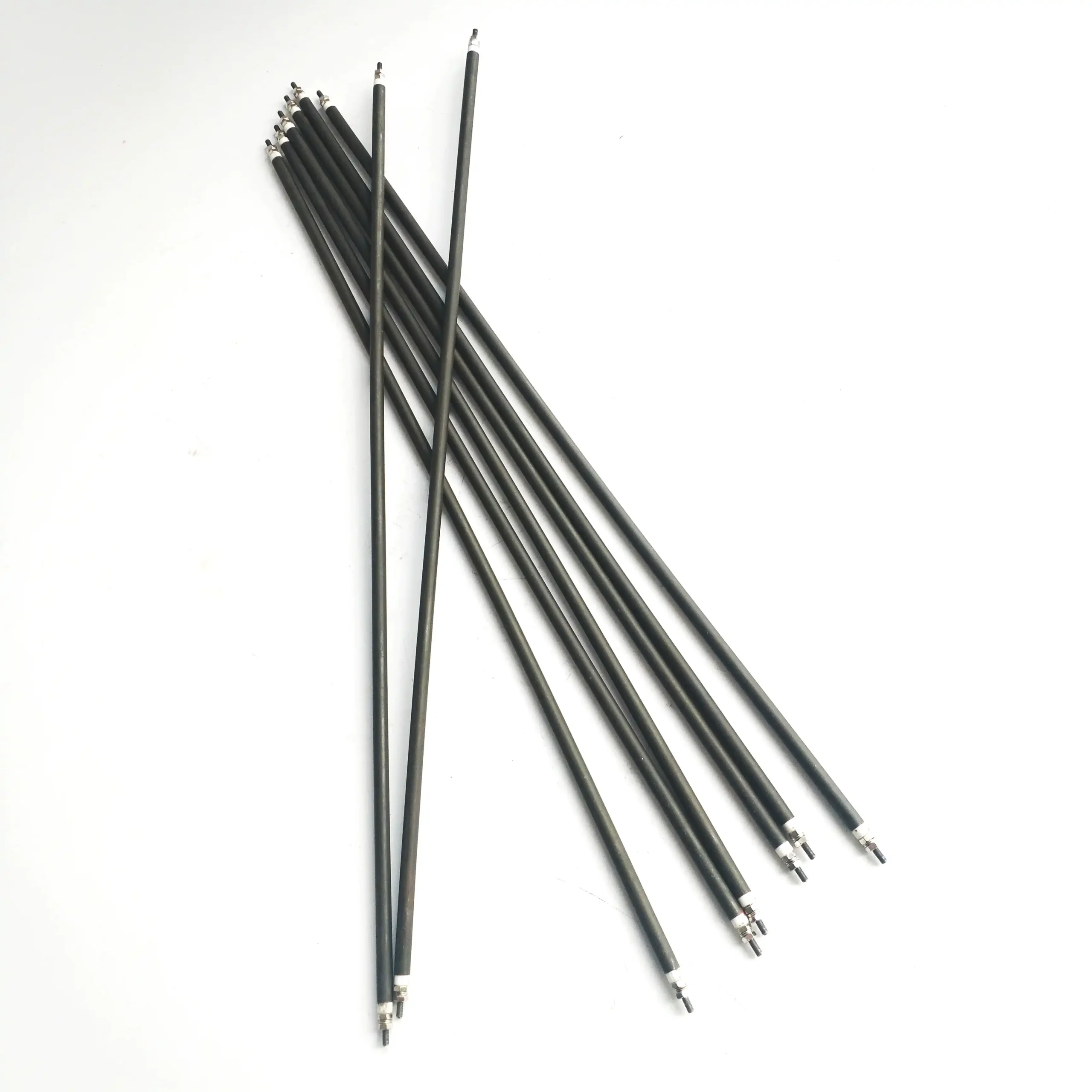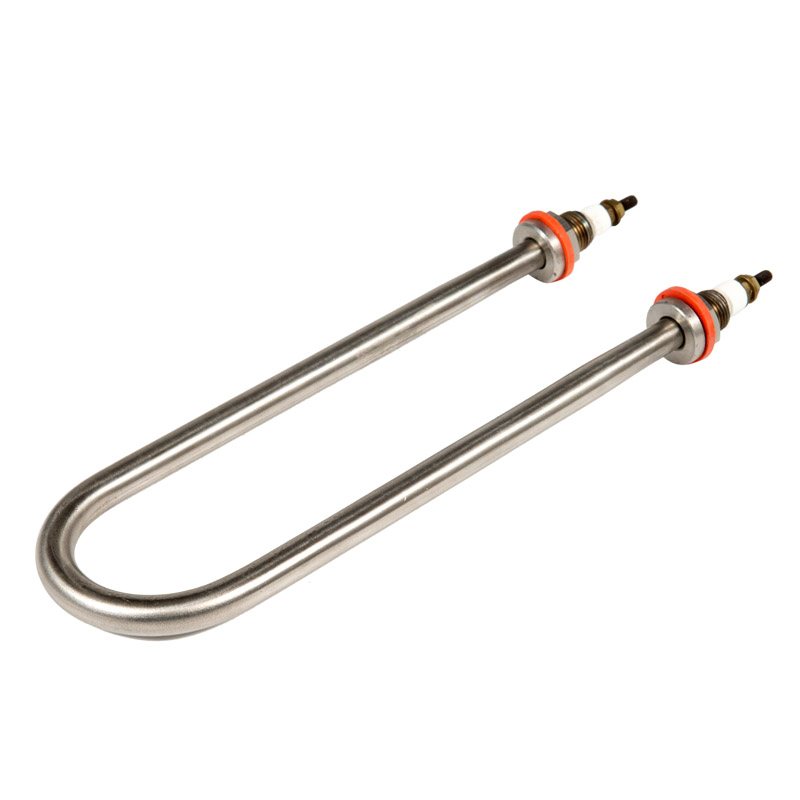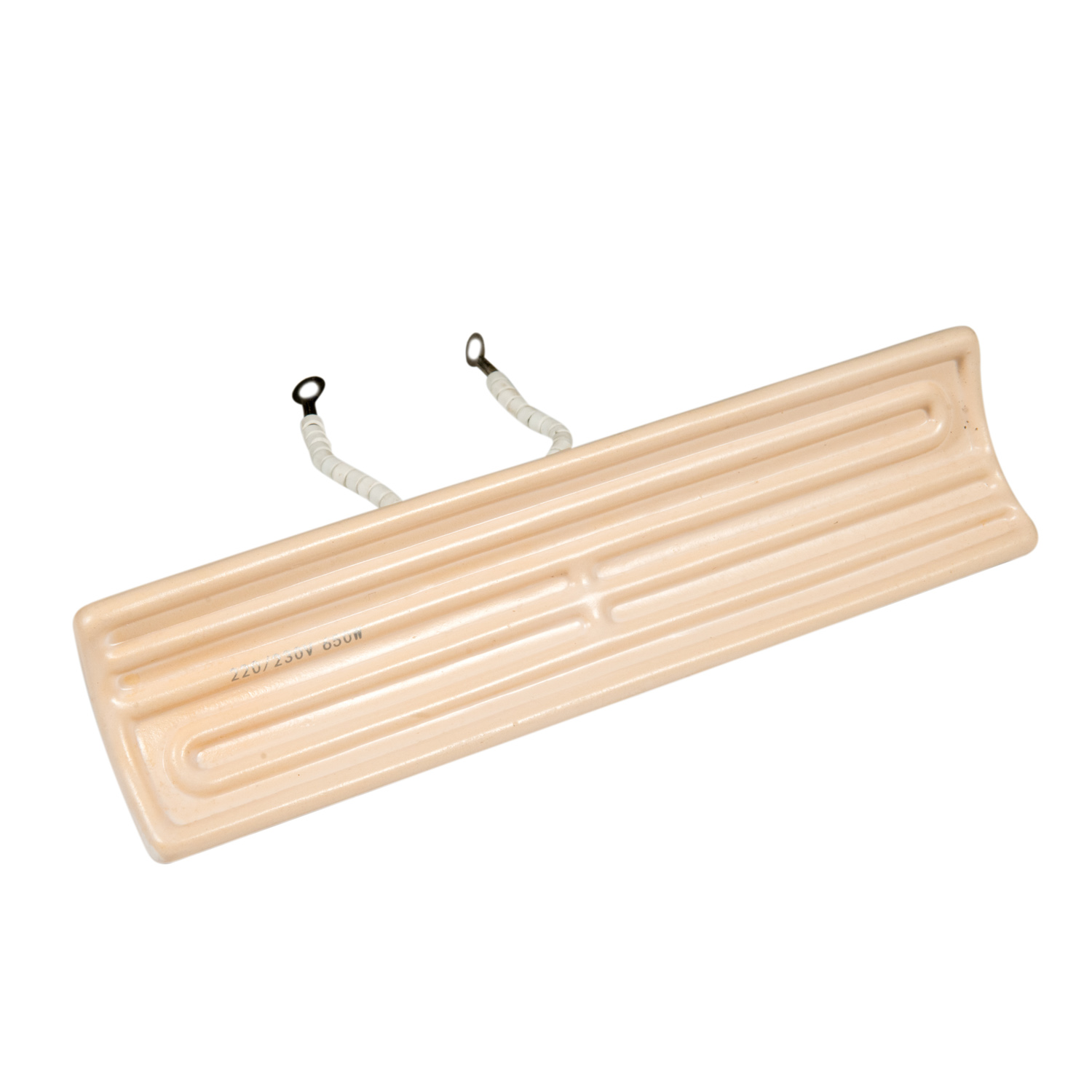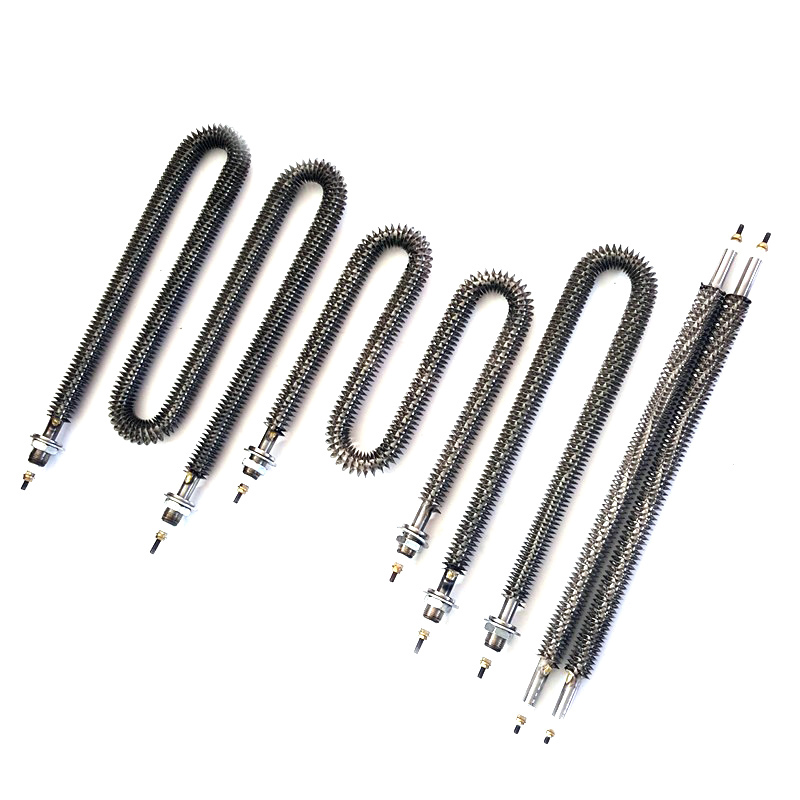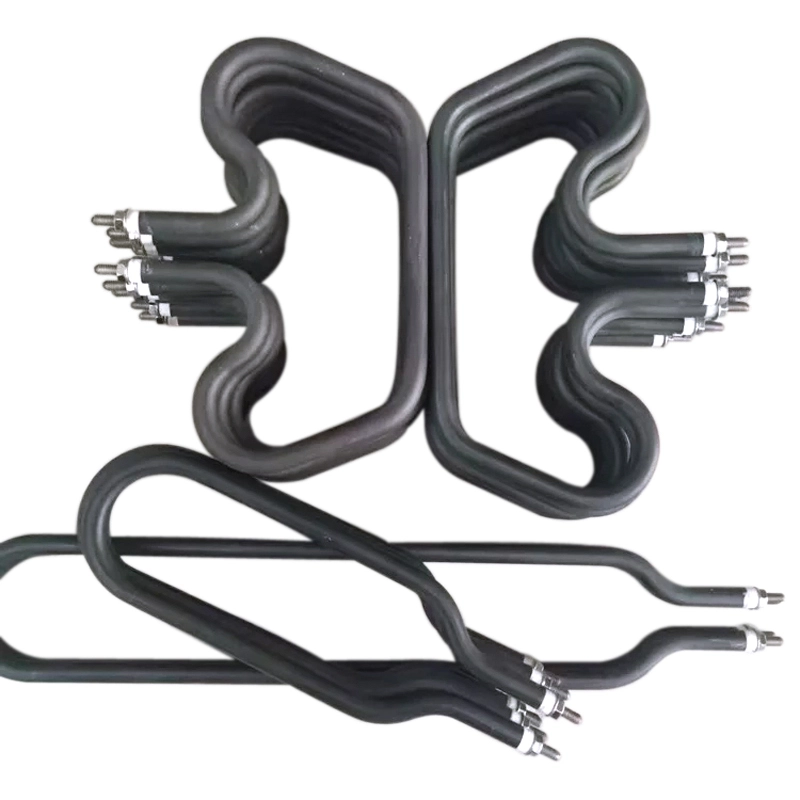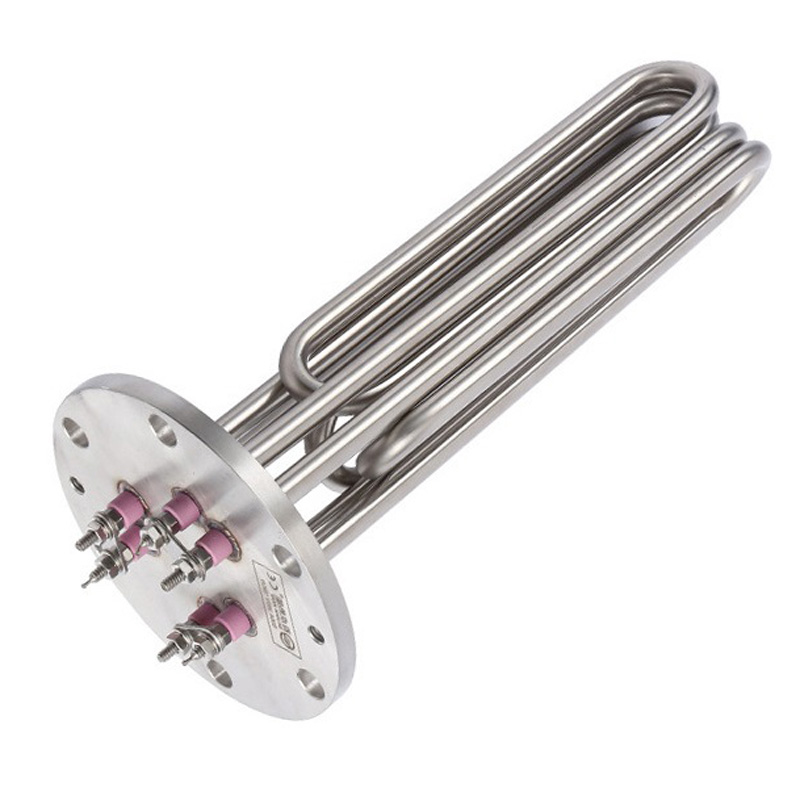

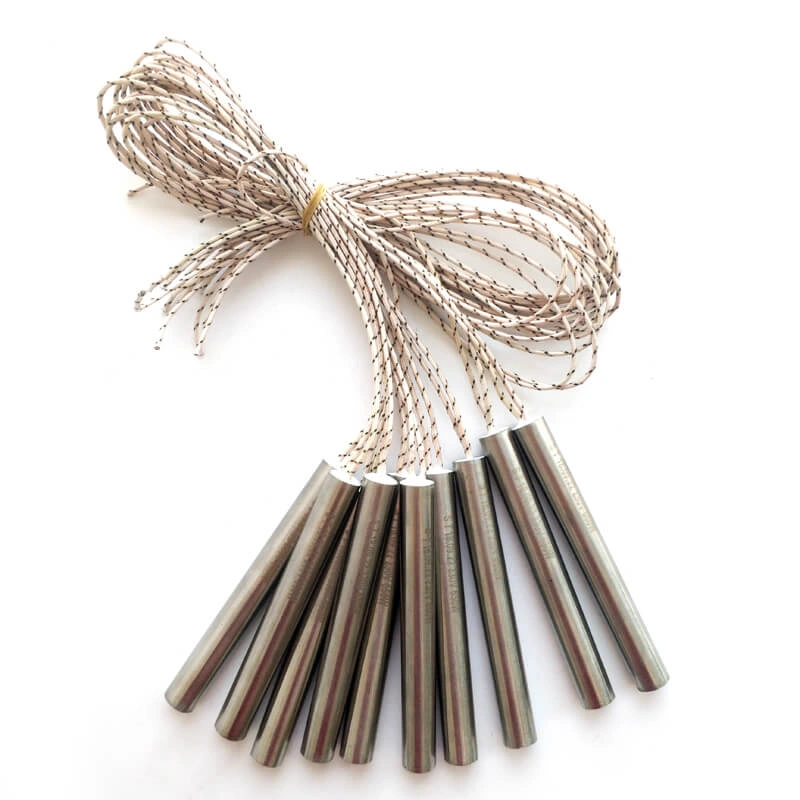
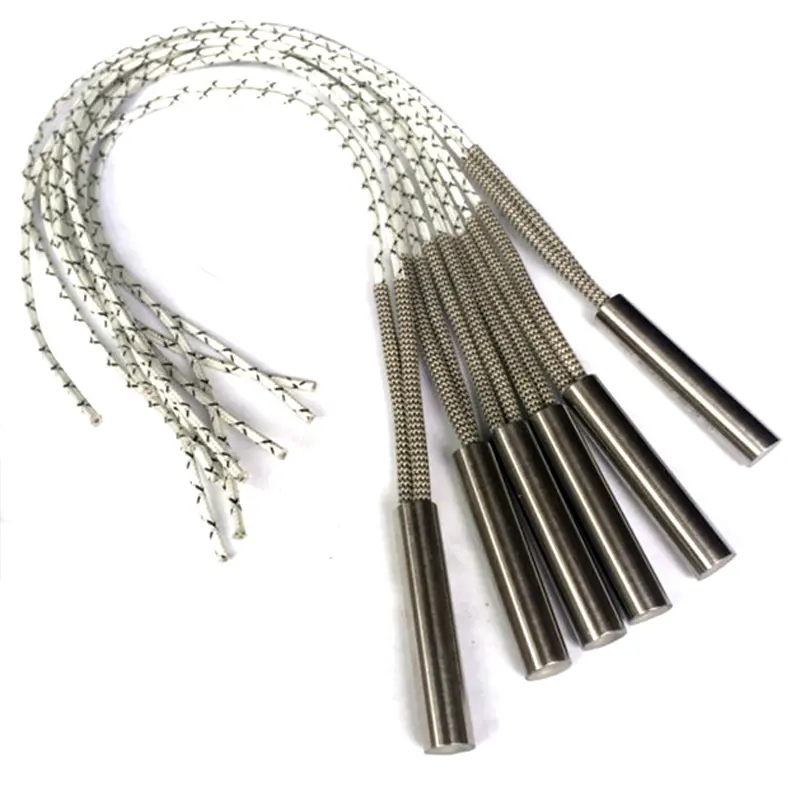
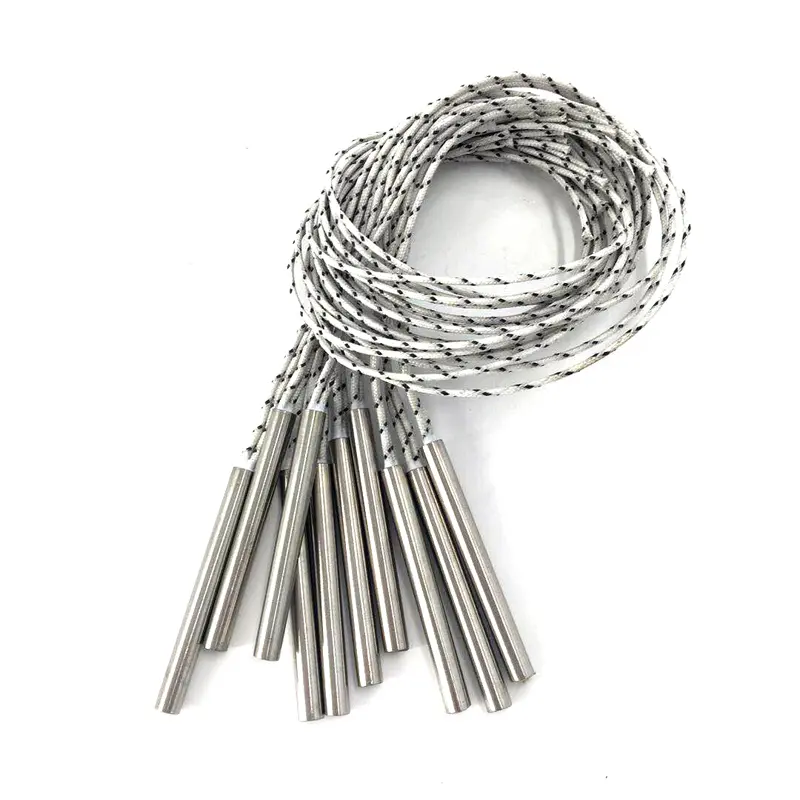
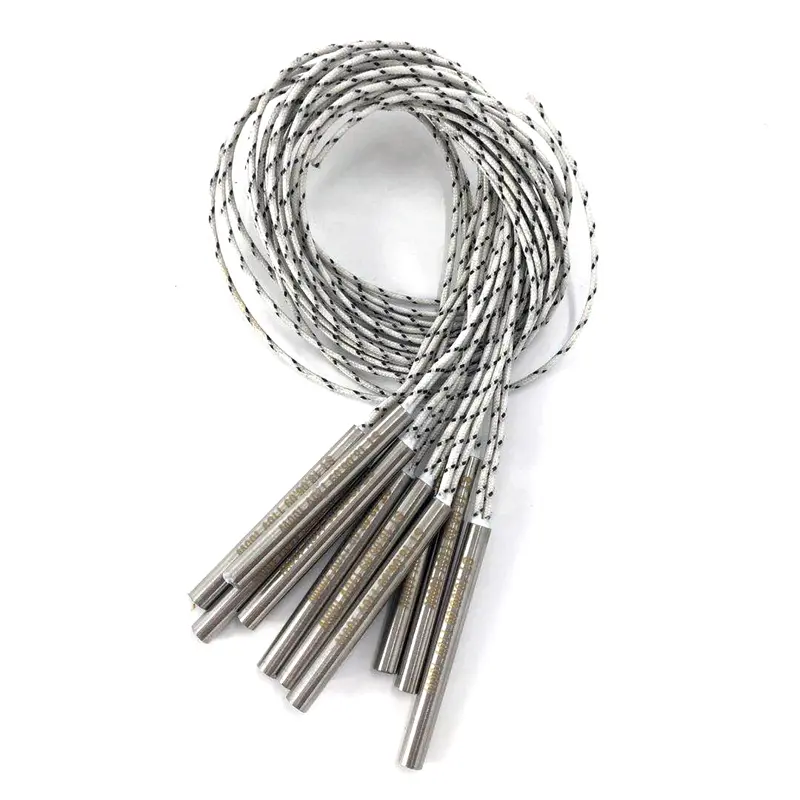
Hongtai High Watt Density Cartridge Heaters (often referred to as Pencil Heaters or Heating Rods) are the industrial standard for applications requiring high temperatures and rapid heat transfer in limited spaces.
Unlike standard low-density heaters, these units undergo a Swaging Process. This process compresses the internal high-purity Magnesium Oxide (MgO) to a rock-hard density, eliminating air gaps and increasing heat transfer efficiency by 30%. This construction allows for higher watt densities and sheath temperatures up to 800°C when using Incoloy 800 material.
Key Technical Features:
-
Construction: Swaged Cartridge Heater (Compacted structure for max life).
-
Sheath Material: Incoloy 800 (Max 800°C) or Stainless Steel 304/316.
-
Diameter Tolerance: Precision ground to -0.02mm / -0.06mm (Designed for H7 hole fit).
-
Watt Density: Up to 25 W/cm² (150 W/in²).
-
Heating Element: Precision wound Ni-Cr 80/20 wire closer to the sheath for fast heat-up.
-
Lead Wire: High-temperature fiberglass or Teflon insulated leads (Swaged-in or Crimped).
1.Technical Specifications & Dimensions
Our cartridge heating elements are manufactured to precise metric and imperial standards. The table below outlines standard capabilities for OEM automation and machinery applications.
| Parameter | Standard Specification | Customizable Options |
| Diameter (Metric) | 6mm, 8mm, 10mm, 12mm, 16mm, 20mm | 3mm – 35mm (Custom precision) |
| Diameter (Imperial) | 1/4″, 3/8″, 1/2″, 5/8″, 3/4″ | Custom Imperial Sizes |
| Sheath Material | SS304, SS316L | Incoloy 800 (High Temp) |
| Voltage | 120V, 220V, 230V, 240V | 12V – 480V |
| Wattage Tolerance | +5% / -10% | Precision Tolerance Available |
| Max Temperature | 650°C (SS304) / 800°C (Incoloy 800) | – |
| Diameter Tolerance | -0.02mm to -0.06mm | – |
| Internal Thermocouple | None | Type J or Type K (Grounded/Ungrounded) |
2.Why “Swaging” Matters for Lifespan
The primary failure mode of a fast heat stainless steel cartridge heater is internal overheating due to poor heat transfer.
-
Standard Heaters: Have loose MgO powder, acting as an insulator, trapping heat in the wire.
-
Hongtai Swaged Heaters: The entire heater is mechanically reduced in diameter (swaged). This compacts the MgO insulation and wire into a near-solid mass. This ensures heat is instantly transferred from the resistance wire to the sheath and then to your mold, extending element life by 3-5 times compared to non-swaged units.
3.Precision Fit Guide (H7 Tolerance)
For a high density cartridge heater to perform correctly, the fit between the heater and the hole is critical.
-
The Fit: We grind our heaters to a slightly undersized tolerance (e.g., 9.98mm for a 10mm hole).
-
The Rule: The drilled hole should be a standard Reamed fit (H7). A gap larger than 0.1mm will act as a thermal barrier, causing the heater to run hotter than necessary and fail prematurely.
-
Recommendation: Always use a thermal transfer paste (anti-seize) during installation to facilitate heat transfer and easier removal.

4.Industrial Applications
These cartridge heating elements are the “workhorse” components for:
-
Plastic Injection Molding: Heating of molds, dies, and hot runner manifolds.
-
Packaging Machinery: Sealing bars and cutting knives.
-
3D Printing: Hot end heating cartridges.
-
Medical Equipment: High-precision fluid heating.
5.FAQ
Q: Can you build a thermocouple inside the heater?
A: Yes. We can integrate a Type J or Type K thermocouple inside the cartridge heater. It can be positioned at the disc end (bottom) for mold temperature monitoring or in the middle for internal overheat protection.
Q: What is the lead time for custom diameters?
A: For standard diameters (6mm, 8mm, 10mm, 1/4″, 1/2″), we often have semi-finished stock. Custom lengths and wattages typically ship in 5-7 working days.
Q: How do I protect the lead wires from abrasion?
A: We offer several lead protection options:
-
Fiberglass Sleeve: Standard heat protection.
-
Stainless Steel Braid (Armor): For abrasion resistance.
-
Stainless Steel Flexible Conduit: For maximum protection against crushing and physical damage.