The Hidden Cost of Thermoforming: Rear Heat Loss
In the plastics thermoforming and vacuum forming industry, precise and efficient heat transfer is the difference between a profitable production run and costly material waste. Traditional solid ceramic heating elements have been the industry standard for decades. However, as energy costs rise and cycle time demands tighten, mechanical designers are recognizing a significant flaw in traditional setups: rear heat loss.
In a standard solid element, radiant heat is emitted in all directions. Up to 40% of the generated thermal energy can escape through the back of the heater. This not only wastes electricity but also bakes the machine’s internal wiring, damages reflectors, and raises the ambient temperature of the factory floor. For high-volume thermoforming machines, this thermal inefficiency severely impacts the bottom line.
The Engineering Solution: Hollow Ceramic Heaters
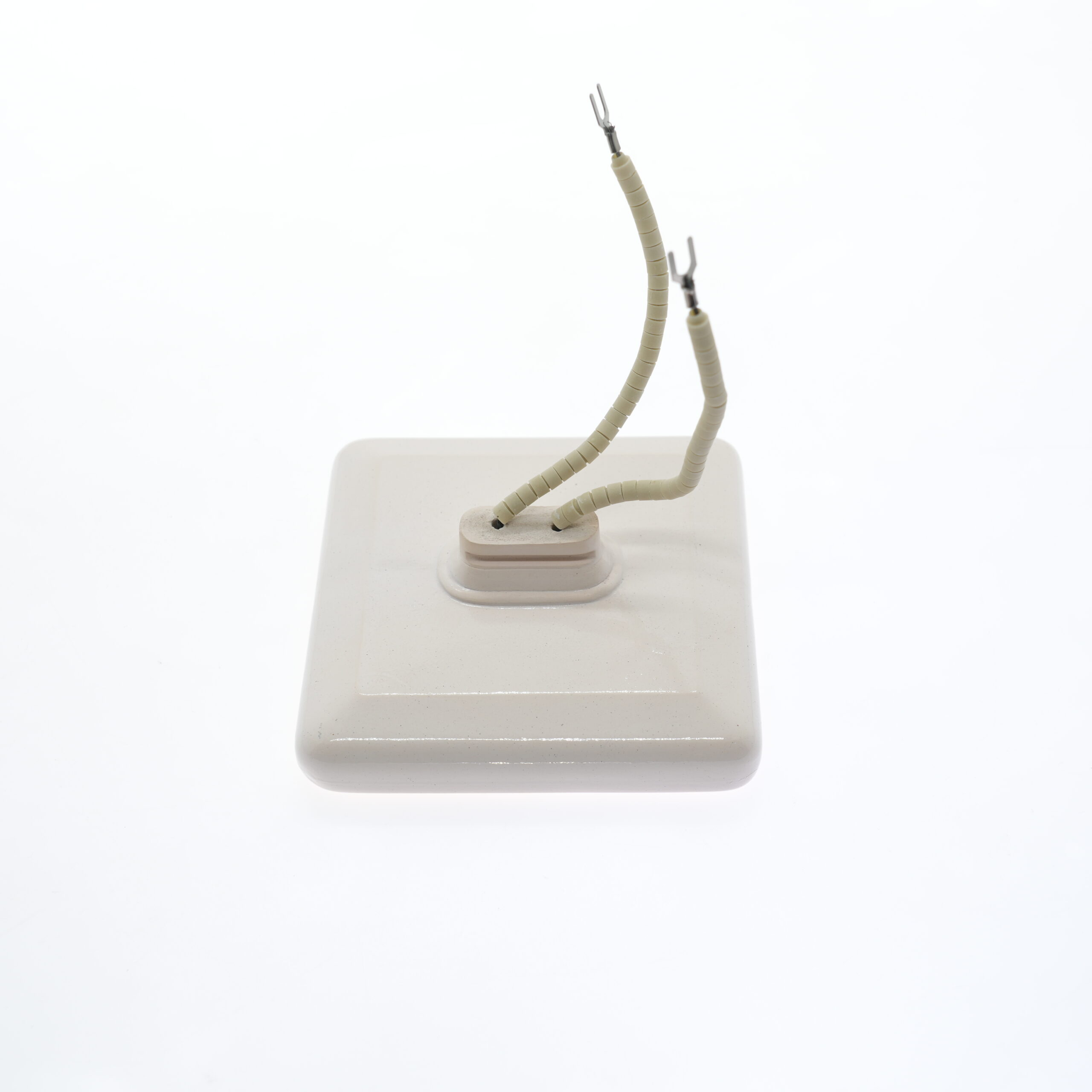
Hollow ceramic heaters were specifically engineered to combat this exact problem. By altering the internal architecture of the refractory ceramic body, these advanced elements completely change the thermal dynamics of the heating panel.
1. The Thermal Barrier Effect
Behind the embedded Nickel-Chrome (NiCr) resistance wire lies a carefully designed air cavity. In thermal engineering, static air is an excellent insulator. This hollow core acts as a built-in thermal barrier, preventing the heat from soaking through the back of the ceramic block.
2. Highly Directional Radiant Heat
Because the heat cannot easily travel backward, it is forced outward through the front face of the heater. This means the maximum amount of far-infrared (FIR) radiation is directed precisely where it belongs: onto your plastic sheet (PET, PVC, PP, or PC).
(“Read our comprehensive Hollow vs. Solid Ceramic Heaters Efficiency Analysis“).
Process Advantages for Plastics Manufacturing
Upgrading a thermoforming machine’s oven to hollow ceramic elements provides immediate, measurable benefits for production managers:
Faster Cycle Times and Quicker Indexing
Because the mass of the ceramic is reduced and the heat is pushed forward, hollow heaters reach their operating temperature up to 50% faster than solid elements. In high-speed blister packaging or heavy-gauge vacuum forming, a faster thermal response allows for quicker indexing of the plastic sheets, directly increasing output per hour.
Protecting Machine Infrastructure
Excessive rear heat is the leading cause of premature wiring failure and reflector degradation in industrial ovens. By trapping the heat at the front, hollow elements keep the terminal area significantly cooler. This drastically extends the life of high-temperature lead wires and reduces the frequency of maintenance shutdowns.
Unmatched Energy Savings
With up to 40% less energy lost to the rear of the machine, a thermoforming oven retrofitted with hollow ceramic heaters can achieve the same plastic-softening temperatures using less electrical power. For a facility running multiple 24/7 thermoforming lines, this reduction in Kilowatt-hours (kWh) yields a rapid Return on Investment (ROI).
Integrating with PID Zone Control
Modern thermoforming requires complex “heat zoning” to prevent webbing or thinning of the plastic during the stretching phase. A hollow heater’s fast response time makes it the perfect candidate for tight PID (Proportional-Integral-Derivative) control.
To achieve maximum precision, hollow elements should be specified with a built-in thermocouple. A Type K or Type J thermocouple positioned directly in the ceramic body provides real-time feedback to the controller, allowing the system to instantly adjust to ambient drafts or changes in cycle speed without thermal lag.
Conclusion
For mechanical designers building next-generation thermoforming machines, or production managers looking to retrofit existing equipment, the choice is clear. Hollow ceramic heaters offer a superior thermal management solution that eliminates wasteful rear heat loss, accelerates production cycles, and cuts energy costs.
Looking to optimize your thermoforming oven? Contact our thermal engineering experts today to discuss your watt-density requirements and request a custom heating panel layout.